 The most expensive home sold in America, so far, was a New York penthouse that sold for $238 million in January 2019. It is on the top of a building that overlooks Central Park. The 26-story luxury condo building designed by Robert A. M Stern is nearly all sold out.
Who Has That Kind Of Money?
The proud buyer of the penthouse is Ken Griffin. His net worth is estimated to be $9.6 billion. He is the founder of the Citadel hedge fund. Griffin is 50 years old. A few days before buying the NYC penthouse, he closed on a home in London that overlooks St. James Park near Buckingham Palace. For that 200-year-old home, he paid just a paltry $122 million.
Griffin’s New York penthouse is 22,000 square feet of ultra-luxury living. It sold for more than twice the amount of the second palace record-holder in America. That is a penthouse on the One57 building, which sold for $100.5 million in 2014.
Boom Or Bust?
One might think that a penthouse sale setting a new almost unfathomable record would indicate a vibrant bullish market in New York residential real estate. Well, not exactly. It did raise the median sales price of a residential sale in New York City to over $1 million from being below this amount at the end of 2018. Prior to this sale, the median price was trending lower.
Forbes reports that the current economic trends are not normal. Usually, the NYC real estate market goes up when the stock market is up. However, the NYC residential real estate is down in spite of the robust economy.
Properties selling for top-dollar at prices that are hard to imagine could be a sign of a real estate market collapse. In general, the NYC residential market has been in a steady decline over the past year. The lowest number of closings in a decade happened during the first quarter of 2019.
Investor Uncertainty
There is a general sense of uncertainty for residential buyers in NYC, where the average one-bedroom condominium sells for over $1 million. Uncertainty makes potential buyers take longer to decide on making a home purchase in the Big Apple.
Add to this uncertainty, there is the new “mansion tax” that was approved by New York City as part of its budget in April 2019. The mansion tax is now 1% on residential sales of $1 million or more that goes up to a maximum of 4.15% on homes sales of $25 million and up.
Did you just do the math? Griffin would have paid $9.87 million for the new mansion tax if he waited until April 2019 to buy his penthouse. So maybe he feels like he got a bargain by saving nearly $10 million on the purchase?
Summary
In spite of the record price for the penthouse sale in NYC, the residential market continues to soften. The new mansion tax is not going to help sales either. Unless you have money to burn, as Griffin does, it may not be the best time to invest in residential properties in NYC if you hope to make a return on your investment when selling them.
Your trusted real estate agent is well-informed about the market trends in your area. Be sure to set up an appointment if you are in the market for a new property.
 Last week’s economic releases included reports on inflation, core inflation and minutes from the Federal Open Market Committee Meeting held June 18 and 19. Weekly readings on mortgage rates and first-time jobless claims were also released.
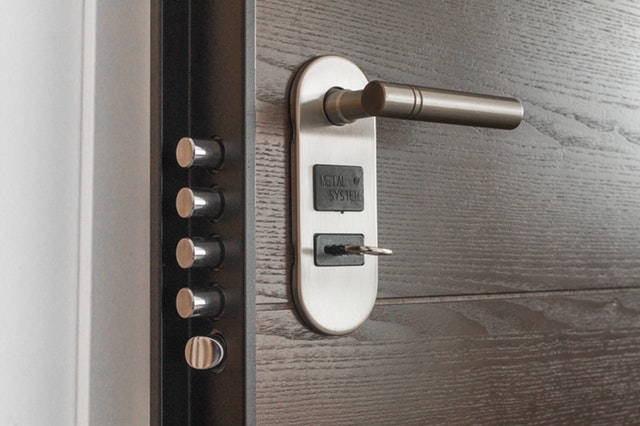
 For market value and the comfort of a home’s occupants, home security is just as important as energy-efficiency. Innovation in smart home technology focuses on both of these areas.
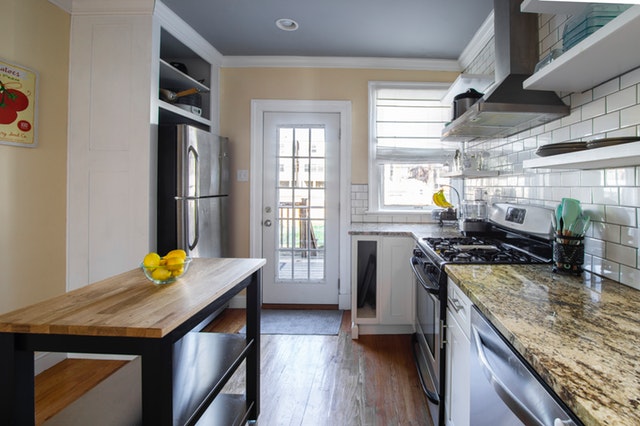 After the children are all grown and moved out, the family home often feels excessively large and empty. If you’re in this stage of life, you may be wondering if you should downsize like so many others, or stay put. Downsizing may be the best option, depending on your lifestyle.
 As you come up to the date of your closing, there’s time to reflect on everything that led to this step. Your real estate agent, mortgage broker, title company and others all work hard to ensure a successful closing for you. They’re all in your corner, hoping for the same outcome as you. They’ve had to do a lot of work behind the scenes that you may not even be aware of. Their diligence and professionalism has already benefited you.
 Home staging means getting a home ready for sale with the goal to maximize the sale price and close a sale as fast as possible. Some home staging tasks are very dreary, like having to get the place sparkling clean. That is really not fun work. It may be better, if it is affordable, for the homeowner to hire professionals to do that grunt work.
 Last week’s scheduled economic news included readings on construction spending and reports on public and private sector jobs. Monthly readings for public and private sector jobs and the national unemployment rate were released along with weekly reports on mortgage rates and initial jobless claims.
 One of the best things about moving into a new home is personalizing it and really making it yours. From hanging wall art to arranging furniture to finding the perfect spot for your grandmother’s hand crocheted afghan, it’s a real joy to decorate.
 3D printing technology is a game-changer in the home construction business. Not only is the technology capable of printing a home, but it can also be used to print one at a much lower cost when compared to traditional home construction.
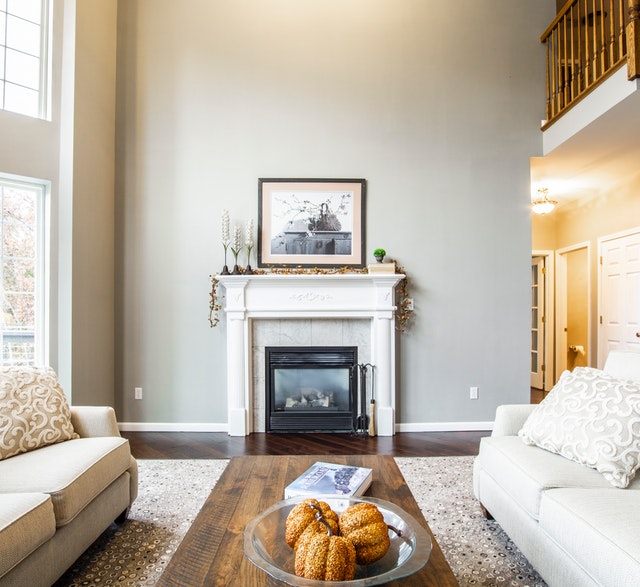 If you’re selling your home, your real estate agent has likely advised you to stage your home to sell. But why exactly do people stage homes to sell? Some people go to great lengths to stage their home too, even going so far as moving possessions into storage units or renting furnishings!