Deidre Pfeifer

Real Estate Agent, California

  • Home
  • About Deidre
  • Blog
  • Resources
    • First Time Home Buyer Tips
    • First Time Home Seller Tips
  • View Listings
  • Reviews
    • Deidre on Zillow
    • Leave a Review
  • Contact Deidre

What’s Ahead For Mortgage Rates This Week – March 14, 2022

March 14, 2022 by Deidre Pfeifer

What's Ahead For Mortgage Rates This Week - March 14, 2022Last week’s economic reporting included month-to-month and year-over-year readings on inflation. The University of Michigan released its monthly consumer sentiment index; weekly readings on mortgage rates and jobless claims were also published.

Inflation Reports: No Good News for Consumers

The war in Ukraine increased inflation rates in the U.S in February as costs for fuel, food and housing continued to rise. The federal government reported that month-to-month inflation rose by 0.80 percent in February; analysts expected a month-to-month increase of 0.70 percent as compared to January’s reading of 0.60 percent.

Core inflation, which excludes volatile food and energy sectors, rose by 0.50 percent in February and matched expectations. January’s month-to-month rate for core inflation was 0.60 percent and was the highest reading for month-to-month core inflation since 1981. Analysts reported that high inflation was impacting low and moderate-income Americans more as rapidly rising costs for housing, food, and fuel rose faster than wages for most.

Year-over-year inflation rose by 7.90 percent in February as compared to January’s reading of 7.50 percent. Core inflation rose at a year-over-year pace of 6.40 percent in February and surpassed January’s core reading of 6.00 percent. Core inflation readings exclude volatile food and fuel sectors.

Mortgage Rates, Jobless Claims Rise

Freddie Mac reported higher average mortgage rates last week as the rate for 30-year fixed-rate mortgages increased by nine basis points to 3.85 percent. Rates for 15-year fixed-rate mortgages averaged 3.09 percent and were eight basis points higher than in the previous week. The average rate for 5/1 adjustable rate mortgages was six basis points higher at 2.97 percent. Discount points averaged 0.80 percent for fixed-rate mortgages and 0.30  percent for 5/1 adjustable rate mortgages.

Last week’s initial jobless claims rose to 217,000 new claims filed as compared to 216,000 first-time claims filed in the previous week. Analysts expected initial jobless claims filed last week to match the previous week’s reading of 216,000 first-time claims filed.  Continuing jobless claims rose to 1.49 million claims filed as compared to the prior week’s reading of 1.47 million ongoing claims filed.

The University of Michigan’s Consumer Sentiment Survey reflected consumer concerns over inflation and the potential economic impacts of the Ukraine war. The March index reading of 59.7 was lower than February’s reading of 62.8 and the expected index reading of 62.0. Index readings over 50 indicate that most consumers are confident about economic conditions.

What’s Ahead

This week’s scheduled economic news includes readings on U.S housing markets, the Federal Reserve’s statement on interest rates, and the Federal Reserve chairman’s press conference. Data on building permits, housing starts, and sales of previously-owned homes will also be released. Weekly reports on mortgage rates and jobless claims will also be published.

Filed Under: Financial Reports Tagged With: Financial Report, Jobless Claims, Mortgage Rates

Can I Pay My Home Loan Off Early If I Refinance?

March 11, 2022 by Deidre Pfeifer

Can I Pay My Home Loan Off Early If I Refinance?Many people are looking for opportunities to save money on the cost of a mortgage. If you want to save money on your home loan, you might be thinking about refinancing. During the refinance process, you will replace your current home loan with a new mortgage. Some people want to refinance their homes to free up cash for a renovation project, while other people want to pay off their homes sooner. How can you pay off your home loan early through a refinance?

Reduce Your Interest Rate 

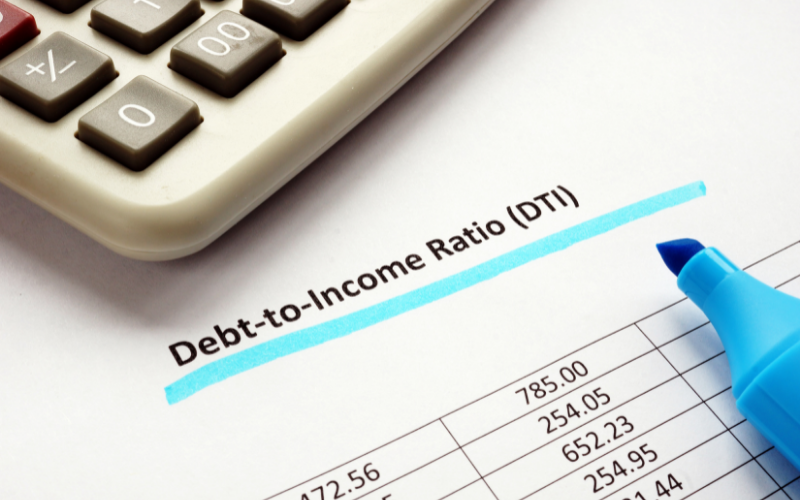
During the refinance process, you might qualify for a lower interest rate. There are numerous reasons why you might get a lower interest rate when you refinance your mortgage. The average interest rate may have come down, your credit score may have improved, or your debt to income ratio may have gotten better. If you were due to your interest rate, more of your monthly payment will go towards the principal, shrinking your balance faster. As a result, you may pay off your mortgage more quickly. 

Reduce The Term of the Loan 

If you refinance your home, you might be able to reduce the term of the loan. The term is how many years it takes you to pay off your mortgage. For example, you may be able to reduce your 30-year mortgage to a 15-year mortgage. If you shorten the term of your loan, you may qualify for a lower interest rate, which can help you save money; however, directly shortening the term of the loan could cause your monthly payments to go up. You could work with a professional who can help you with the math. That way, you understand exactly how much you owe every month. 

Consider Paying Off Your Mortgage More Quickly

If you want to save money on interest during the life of your loan, one way to do so is to pay off your mortgage faster. You might be able to do this if you refinance your home loan. Reach out to a professional who can take a look at the balance of your home loan. You might qualify for a refinance that can help you save money on your mortgage. 

Filed Under: Mortgage Tagged With: House Payoff, Real Estate, Refinancing

Did You Know? The Location of Your Home Plays a Role in Your Selling Price – Here’s Why

March 10, 2022 by Deidre Pfeifer

Did You Know? The Location of Your Home Plays a Role in Your Selling Price - Here's Why One of the most common questions homeowners have before listing their home for sale relates to the selling price. Understanding the value of the home is about far more than just comparing the square footage of the space with other homes that have recently sold in the area. While there are many factors that will play a part in a selling price, location is an important factor for several different reasons.

Neighboring Properties

The properties that are located next to the home for sale are critical to the property value. For example, a home that is located next to a park or a beautifully maintained home may have more appeal than a home located next to a strip center or a gas station. Even with homes that are located just a block or two apart, this difference in adjacent properties can have a dramatic impact on properties values.

Safety Concerns

When a home is located in an unsafe area or an area that is riddled with crime, safety concerns can lower property values. Many home buyers will review crime statistics about a location before making a buying decision, and high crime areas are far less appealing to buyers. Properties are ultimately only worth what someone will pay for them, and buyers may overwhelming opt to purchase homes in safer locations unless the sales price is lowered.

Vehicular and Pedestrian Traffic

There are some advantages to being in an area with heavy vehicular or pedestrian traffic, such as if you live in an urban area and are searching for a property that offers this lifestyle. When a home is located in heavily trafficked areas in a suburban or rural location where a quieter way of life is desired, these can be drawbacks that impact the selling price. If one home is located on a busy street corner and another similar home is located a few blocks away removed from traffic, the home with a more desirable location will typically have a higher selling price.

Desirability is often directly related to property location, and homes in more desirable locations will therefore have a higher selling price than those in an undesirable location. For those who are thinking about selling a property soon and who want to learn more about its value, a consultation with your trusted real estate agent can provide you with helpful information.

Filed Under: Home Seller Tips Tagged With: Home Seller Tips, Neighborhoods and Communities, Selling a Home

Creating A Pet-Friendly Rental Property

March 9, 2022 by Deidre Pfeifer

Creating A Pet-Friendly Rental PropertyPeople look at pets as members of their families. They love and cherish them. At the same time, pets do not necessarily go well with rental properties. Even though their owners love them, the property owners generally do not. Pets can damage the property, stain the floors, and scratch up the furniture.

Did you know that 72% of all renters own pets?  Therefore, property owners who want to maximize their income need to create pet-friendly rentals to drive up demand. What are the biggest benefits, and what are a few ways to do exactly that? 

The Benefits Of A Pet-Friendly Rental

There are several reasons why property owners should create a pet-friendly rental. The biggest reason is that this leads to a more diversified tenant pool. Many people are looking for a property that welcomes pets. If property owners have a rental property that is pet-friendly, they will have more interest, increasing the rent they might charge.

Furthermore, pets are not the most common source of property damage. Adults and children tend to cost far more property damage on a per-month basis than pets. Therefore, property owners should not worry as much about dogs, cats, and other animals damaging their properties. 

How To Create A Pet-Friendly Rental

There are a few ways property owners can make their rental properties pet-friendly. First, it is important to think about the floors. Some floors, such as carpet, are not friendly to pets because they stain. Instead, linoleum, vinyl, and laminate floors are friendlier to pets, and they are far easier to clean. 

It might also be helpful to invest in pet doors and gates. This makes it easier to divide the property and makes it easier for pets to come in and out.

Consider Asking For A Pet Deposit

Property owners should also consider asking for a pet deposit. It is not unusual to ask for a security deposit, but owners might want to ask for an additional deposit for pets. That way, owners already have the money on-hand if they need to do some extra cleaning or make some repairs after having a pet at the property. Creating a pet-friendly rental can lead to extra income.

Filed Under: Mortgage Tagged With: Pet Friendly Rental, Pets, Real Estate Investment

Everything Homeowners Need To Know About Down Payments

March 8, 2022 by Deidre Pfeifer

Everything Homeowners Need To Know About Down PaymentsBuying a house is an exciting time, but homeowners also need to make the best financial decision to meet their needs. One of the biggest decisions potential homeowners will face is how much money to put down.

A down payment is the amount of money that homeowners pay upfront when they purchase a home. Many homeowners believe they need to put down 20 percent; however, this is not always the case. What do homeowners need to know about putting a down payment on a house? 

20 Percent Is Not Always Required

The reason why homeowners often believe they need to put down 20 percent is that lenders will often require a 20 percent down payment to avoid paying PMI. PMI stands for private mortgage insurance. If a homeowner puts down less than 20 percent, the lender takes on significant risk if the homeowner defaults. Therefore, the lender may require the homeowner to purchase PMI to protect the lender against the risk of default.

Homeowners might be able to secure a loan with 10 percent down if they are willing to pay PMI. First-time home buyers might be able to secure a home loan with as little as 3.5 percent down if they go with an FHA loan.

The Relationship Between Down Payments And Interest Rates

Homeowners might want to put down more money to earn a lower interest rate. Securing a lower interest rate could save homeowners tens of thousands of dollars over the life of the loan. If homeowners put down more money, the lender doesn’t take on as big of a risk. Therefore, the lender might be willing to charge a lower interest rate. 

Work With A Professional 

Ultimately, the size of the down payment is one of the biggest decisions potential homeowners have to make. It can take a long time to save up 20 percent for a home, but this is not always required. Homeowners need to know whether they need to pay PMI if they do not put 20 percent down, and they need to understand how the size of the down payment will impact the interest rate on a loan. It is a prudent idea to consult with a professional when deciding how much money to put down for a house.

Filed Under: Real Estate Tagged With: Buying New Home, Down Payment, Interest Rates

What’s Ahead For Mortgage Rates This Week – March 7, 2022

March 7, 2022 by Deidre Pfeifer

What's Ahead For Mortgage Rates This Week - March 7, 2022Last week’s economic reporting included readings on construction spending, written testimony from Fed chair Jerome Powell and data on public and private sector jobs and national unemployment. Weekly readings on mortgage rates and jobless claims were also released.

Fed Chair Hints at Rate Hikes in Written Testimony

Federal Reserve Chairman Jerome Powell indicated that consistent rate hikes of the Fed’s target interest rate range will likely occur throughout this year, but he said that the Fed would proceed carefully. Analysts interpreted Mr. Powell’s remarks to mean that he would limit each rate hike to 0.25 percent but could be higher depending on the pace of inflation.

Inflation rose by 7.50 percent year-over-year in January; this was the highest inflation rate since 1982. Chairman Powell said the Fed wanted to prevent persistent high inflation while promoting sustainable economic expansion and a strong labor market. The war in Ukraine could lead to faster inflation as Russia is the world’s second-largest producer of oil.

Mortgage Rates, Fall, Jobless Claims Mixed

Freddie Mac reported lower average mortgage rates last week as the rate for 30-year fixed-rate mortgages fell by 13 basis points to 3.76 percent. Rates for 15-year fixed-rate mortgages were also 13 basis points lower at 3.01 percent and rates for 5/1 adjustable-rate mortgages averaged 2.91 percent and were seven basis points lower on average. Discount points averaged 0.80 percent for fixed-rate mortgages and 0.30 percent for 5/1 adjustable-rate mortgages.

Initial jobless claims fell last week with 215,000 new claims filed as compared to 233,000 jobless claims filed in the previous week. 1.48 million continuing jobless claims were filed last week as compared to the prior week’s reading of 1.47 million continuing claims filed.

Jobs Data Shows Mixed Results

Public and private sector jobs data and the national unemployment rate reflected a strong labor market. The government’s Non-Farm Payrolls report tracks public and private-sector job growth and reported 678,000 jobs were added in February as compared to expectations of 440,000 jobs added and January’s reading of 481,000 jobs added.

The ADP jobs report includes only private-sector jobs data; 475,000 jobs were added in February as compared to predictions of 400,000 jobs added and January’s reading of 509,000 private-sector jobs added. The national unemployment rate dropped to 3.80 percent; analysts expected an unemployment rate of 3.90 percent and January’s jobless rate of 4.00 percent.

What’s Ahead

This week’s scheduled economic reporting includes readings on job openings and quits, inflation, and the University of Michigan’s preliminary reading on consumer sentiment. Weekly reports on mortgage rates and jobless claims will also be released.

Filed Under: Financial Reports Tagged With: Financial Report, Jerome Powell, Mortgage Rates

5 Tips to Make Moving With Kids Easier

March 4, 2022 by Deidre Pfeifer

5 Tips to Make Moving With Kids EasierSometimes a move is unavoidable, regardless of how much you or your kids’ would rather stay in your current home. If your young ones are not looking forward to a change in scenery, here are a few tips to help them make a smoother transition into their new home.

1. Involve Them

Involving your children in the moving process will not only help them to better understand the move, it will also make them feel as though they are more in control of the situation. By taking them to open houses they’ll become familiar with the neighborhoods you’re considering moving to, and will have the chance to see first-hand some of the benefits that a new home would offer over your current one.

2. Say Goodbye

Moving can be an emotional time for children, and it’s important to allow them to face and embrace their feelings. Hosting a goodbye party will provide closure to an important chapter of their life, and creating a memory book will offer comfort on days when they miss your old home. It is totally normal for there to be some sadness associated with a move, so do not feel guilty if your child is upset, but be there for them if they struggle with letting go.

3. New Beginnings

Although it’s okay for your child to feel sad about leaving your old home, it will help their transition if you give them something to be excited about, such as a new bedroom. By allowing your child to help plan and pick out the layout, paint colors, or bedding for their room, you will give them something to look forward to.

4. No Benchwarmers

When it comes to packing and unpacking, don’t let your kids sit on the sidelines as mom and dad do all the work. By helping you pack and unpack, your children will feel secure knowing that their belongings are all on their way to your new home, and will feel more welcome knowing where items have been put when they’re unpacked.

5. Make Friends

Being the new kid on the block can be lonely, which is why it’s important to encourage your child to socialize within your new community. Make an effort to meet the neighbors, enroll them in an extra-curricular activity, and schedule play dates with classmates if they have had to move to a new school. It can be intimidating for a child to socialize when faced with a whole new environment, but a little extra encouragement can go a long way.

Considering moving your family into a new home? Speak with your real estate professional who is experienced in family relocation today!

Filed Under: Home Buyer Tips Tagged With: Buying A Home, Home Buyer Tips, Moving

How to Calculate Your True Cost of Living and Determine How Much Home You Can Afford

March 3, 2022 by Deidre Pfeifer

How to Calculate Your True Cost of Living and Determine How Much Mortgage You Can AffordA monthly mortgage can seem like enough of a financial responsibility on its own, but there are many factors involved in home ownership that affect its fiscal feasibility. If you’re in the market for a house and are wondering how your income will stack up against the rest of your expenses, here’s how to determine a home cost that’s reasonable for you.

Determine Your Down Payment

Before you start with anything else, you’ll want to determine the amount of money you can put down so you can estimate your monthly payments. The traditional amount for a down payment is 20% of the home’s purchase price, so if you don’t have anything close to this amount it might be worth waiting a little longer so you can minimize your payments and the amount of interest or mortgage insurance you’ll be paying in the long run. Each person’s situation is different, and there may be programs available with less than 20% down. This is an excellent question to pose to your trusted mortgage advisor.

Calculate Your Monthly Budget

If your mortgage cost already seems high, it will definitely be worth carefully calculating your monthly expenditures. Instead of a wild guess, take the time to sit down and calculate what your costs are including food, utilities, transportation and any other monthly necessities. Once you do this, it’s also very important to add any debt repayments you’re making to the mix. The total amount of your estimated mortgage costs, debt payments and living expenses should give you a pretty good sense of if your mortgage is viable in the long term.

Don’t Forget About The Extras

When it comes to purchasing a home, many people envision that they will be eating and sleeping their new home so don’t pay attention to all of the additional costs that can arise with living life. A new home is certainly an exciting, worthwhile financial venture, but ensure you’re realistic about what it entails. If you’re planning to go back to school or have children in the future, you’ll want to add a little bit of extra cushion in your budget so that you don’t have to put your other dreams on hold for the sake of your ideal home.

It can be very exciting to find a home you feel good about, but it’s important before making an offer to realize the amount of house you can afford so you don’t find yourself in a hole down the road. If you’re currently on the market for a new home, contact your trusted mortgage professional for a personal consultation.

Filed Under: Real Estate Tagged With: Down Payments, Monthly Budget, Real Estate

What To Know About Investing in Short-Term Rental Properties

March 2, 2022 by Deidre Pfeifer

Investing in Short-Term Rental PropertiesMany people are looking for a way to diversify their investments, and real estate investing is a popular option. Some people might be interested in short-term rental properties. What is a short-term rental property, and what are the responsibilities of property owners? Learn more about short-term rental properties to figure out if this is a solid option. 

An Overview Of A Short-Term Rental Property

A short-term rental property is a rental property that typically has residents and renters for fewer than 12 months at a time. Many people believe that short-term rental properties are vacation homes and Airbnb-type properties; however, just about any property can be a short-term rental. This includes a condo, a townhome, or a single-family home. Typically, the owner of a short-term rental property doesn’t live in it but rents it out to people for a few days, weeks, or months at a time. 

The Responsibilities Of A Short-Term Rental Property Owner

There are many responsibilities that come with owning a short-term rental property. Many of them are similar to the responsibilities of owning a long-term rental property; however, because there is more turnover, these responsibilities tend to arise with greater frequency.

For example, short-term rental property owners need to screen everyone who applies to stay at the property. The property owner is typically responsible for utility bills as well, as the renters do not stay there long enough to develop a relationship with a utility company. Short-term property owners also need to keep a close eye on their records to make sure they keep track of their income and overhead expenses. 

Maximizing Income In A Short-Term Rental Property: Take Care Of It

There are several ways short-term rental property owners can maximize their income. They need to select a property that is in a favorable location with a lot of interest. Then, they need to take care of the property to make guests feel welcome. Purchasing some nice furniture, handling maintenance on time, and advertising the property on social media can drive up demand and interest. These are the best ways to maximize income on a short-term rental property. 

Filed Under: Real Estate Tagged With: Airbnb, Real Estate Investment, Short-Term Rental

Making Sure You Are Ready To Take On A Mortgage

March 1, 2022 by Deidre Pfeifer

Making Sure You Are Ready To Take On A MortgageThere is so much to know when it comes to homeownership that even wading into all of the information can seem overwhelming, but if there’s one thing you need when the time comes to purchasing a home, it’s to be prepared. Here are a few ways that you can ensure you’re ready for what a mortgage entails so that buying your dream home will be a positive experience you won’t regret.

Consider All Of Your Options

Instead of accepting the mortgage that your bank is offering you, it’s very important to do some research and determine what some of the best options out there are for you. While it’s entirely possible that the option pushed forward by your bank will work out, in the days of so much information online it’s silly to go into your biggest purchase blindfolded. Take some time out and read about the products available so that, when the time comes, you can make an educated decision.

Know Your Credit History

Lenders will most definitely be digging through your finances and credit history for anything that might make them leery of your financial state, but you’ll want to be aware of your own standing so that you can be prepared for what this might entail. By getting your credit report and score before going through the process of acquiring a mortgage, you can fix any errors that might be on your credit report so that you’ll be prepared for the result when the time comes for pre-approval.

Plan For The Future Possibilities

If the mortgage amount you are planning on paying seems feasible on a month-to-month basis, it’s certainly a good place to start, but if you not on a fixed rate mortgage, you will need to consider the ever-fluctuating state of interest rates, and you need to prepare for this reality at the same time. It’s important to base the amount you’ll be spending each month off of the income and expenditures that you’ve worked out in a budget, but you’ll want to add in some wiggle room so that a jump in the rates won’t sink your dream of home ownership.

There are many things to be aware of when starting the process of purchasing a home, but delving into your credit history and doing the necessary background research can make for a smoother experience. If you’re looking for advice on purchasing a home, contact your local mortgage professional for more information.

Filed Under: Real Estate Tagged With: Credit Score, Home Mortgage Tips, Mortgage Ready

« Previous Page
Next Page »

Deidre Pfeifer

Contact Deidre


Call Today! 909.230.8181
Email: deeagent4u@gmail.com

DRE/BRE#: 01456203
Located in Rancho Cucamonga, CA

How can I help?


0 / 180

Let’s Stay Connected!

Recent Articles

  • How Automation and Technology are Changing Real Estate
  • Uncovering the Hidden Issues Beyond Real Estate Inspections
  • A Comprehensive Guide to Explaining Escrow Accounts
  • 4 Common Remodeling Mistakes and How to Avoid Them

Equal Housing opp

Our Location


8311 HAVEN AVE STE 180
Rancho Cucamonga, CA 91730

Copyright © 2026 · Powered by MySMARTblog

Copyright © 2026 · Genesis Sample Theme on Genesis Framework · WordPress · Log in