 As the leaves turn and the air gets crisp, many of us start thinking about renovations that can make our homes more appealing—especially with Halloween right around the corner! Whether you’re preparing for spooky festivities or planning a future sale, the right renovations can turn your home into a valuable gem. Let’s dive into some hauntingly good renovations that can raise your home’s value without leaving you in a fright!
1. The Heart of Your Haunted Home
The kitchen is often seen as the heart of the home, and it’s no ghostly myth that an updated kitchen can be a major selling point. Think about modernizing with quality countertops like quartz or granite, which not only look fabulous but are durable and easy to maintain. Energy-efficient appliances can help to lighten the burden on your utility bills—perfect for those who prefer to spend on candy instead! Even minor updates, such as new cabinet handles or a fresh backsplash, can make a world of difference, providing a great return on investment.
2. Transforming Your Space into a Spa-Like Sanctuary
A well-designed bathroom can be your home’s secret weapon. Who wouldn’t want to soak in a luxurious tub after a long day of trick-or-treating? Consider adding features like double sinks or a walk-in shower to give it that modern touch. High-quality fixtures and tiles can elevate the entire space, making it feel less like a haunted house and more like a serene retreat. Good lighting is crucial—after all, you don’t want to be searching for your ghostly glow in dim corners!
3. Expanding Your Haunted Quarters
Whether it’s a finished basement or an attic conversion, adding usable square footage can dramatically enhance your home’s appeal. Transform those spooky, unused spaces into functional areas such as home offices, guest rooms, or play areas for the little ghouls and goblins. A well-finished basement can double as a game room or a cozy cinema, making it a hit for family movie nights—complete with your favorite horror flicks!
4. Make a Spooktacular First Impression
As the saying goes, first impressions matter, especially during Halloween! Boosting your home’s curb appeal can make it more inviting (and slightly less spooky) for potential buyers. Simple enhancements like fresh landscaping, a vibrant coat of paint, and updated doors or windows can work wonders. You want your home to stand out for all the right reasons—whether it’s inviting trick-or-treaters or catching the eye of future buyers.
5. A Sustainable Transformation
In today’s eco-conscious market, energy efficiency is a major selling point. Installing new windows, upgrading insulation, or even adding solar panels can not only enhance your home’s value but also attract buyers who prioritize sustainability. With rising energy costs, an energy-efficient home feels like a winning ticket in the haunted game of real estate!
Your Home’s Hauntingly Bright Future
Investing in these renovations can significantly boost your home’s value and make it more enjoyable for you and your family. So, whether you’re preparing for Halloween or just looking to enhance your living space, consider these updates for the best return on your investment.
This Halloween don’t be afraid to take on renovations that will leave both you and future buyers spellbound!
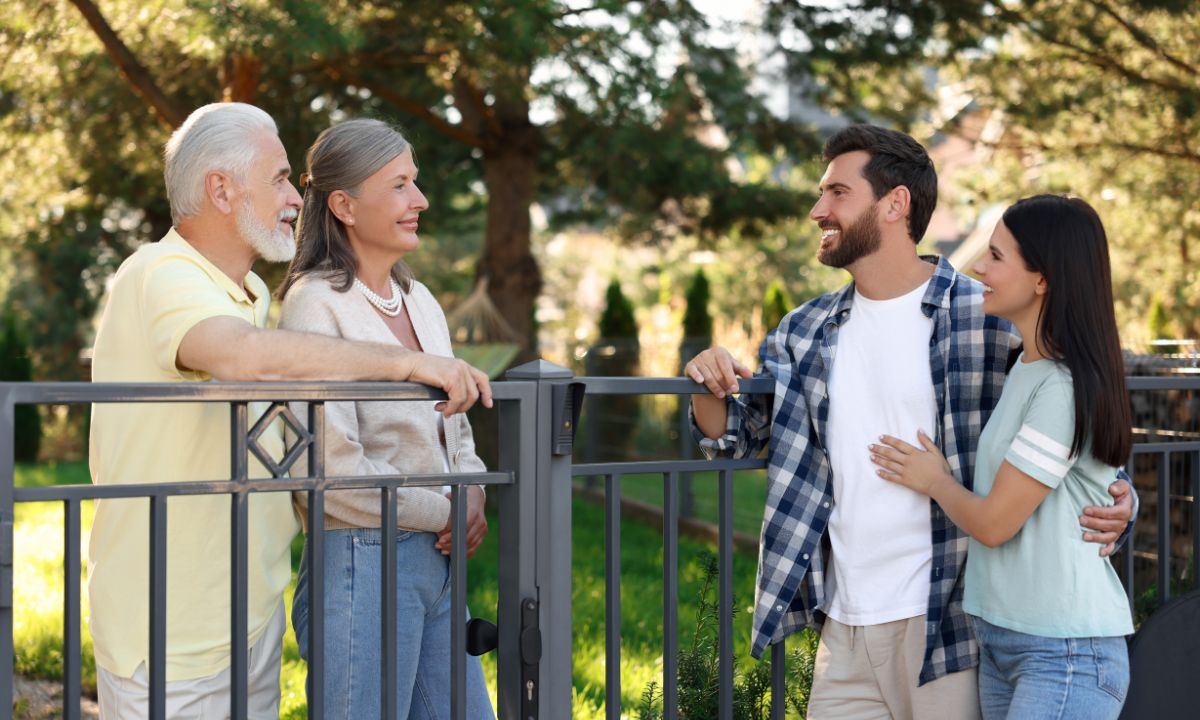 Moving into a new home is an exciting milestone, but it’s important to remember that making the house feel like home involves more than just unpacking boxes. Building good relationships with your neighbors can help you settle in more quickly and foster a sense of belonging in your new community. Here are a few simple but effective ways to get to know your neighbors and create a welcoming environment.
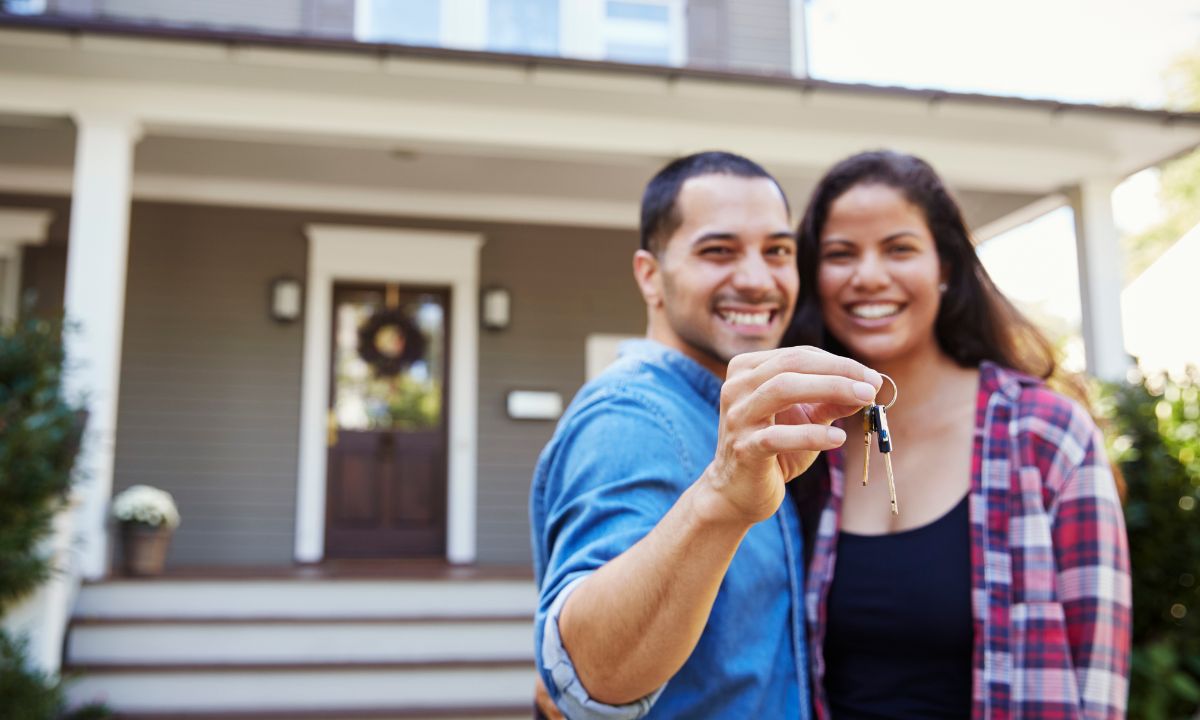 As a first-time homebuyer, one of the biggest decisions you’ll face is whether to buy a cozy condo or invest in a larger home. Both options have their perks, and while condos may initially seem more affordable and convenient, opting for a larger home can offer significant long-term advantages that make it a better investment. Here’s why splurging on a larger home might be the right move for your future.
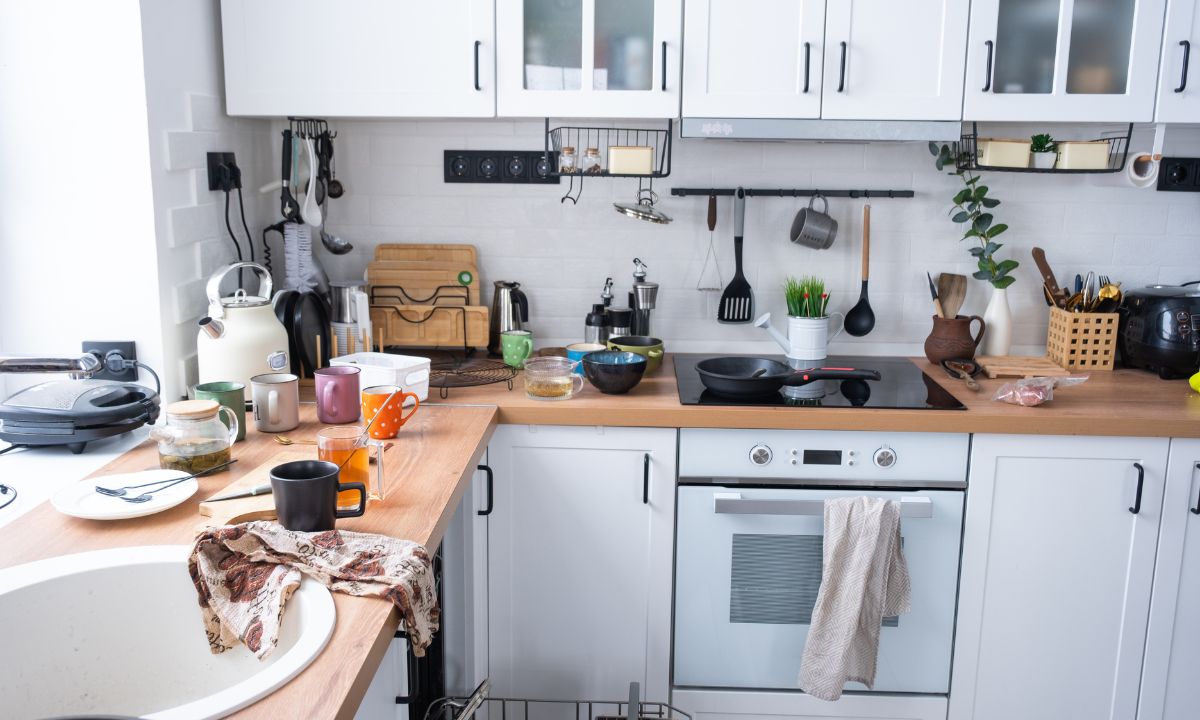 When it comes to selling your home, one of the biggest hurdles many people face is clutter. After years of living in the same space, it’s easy to accumulate items that hold sentimental value, making it challenging to let go. However, clutter can significantly impact how potential buyers perceive your home, even if you don’t realize it. Here’s how to tackle clutter in various areas of your home to create a welcoming environment that attracts buyers.
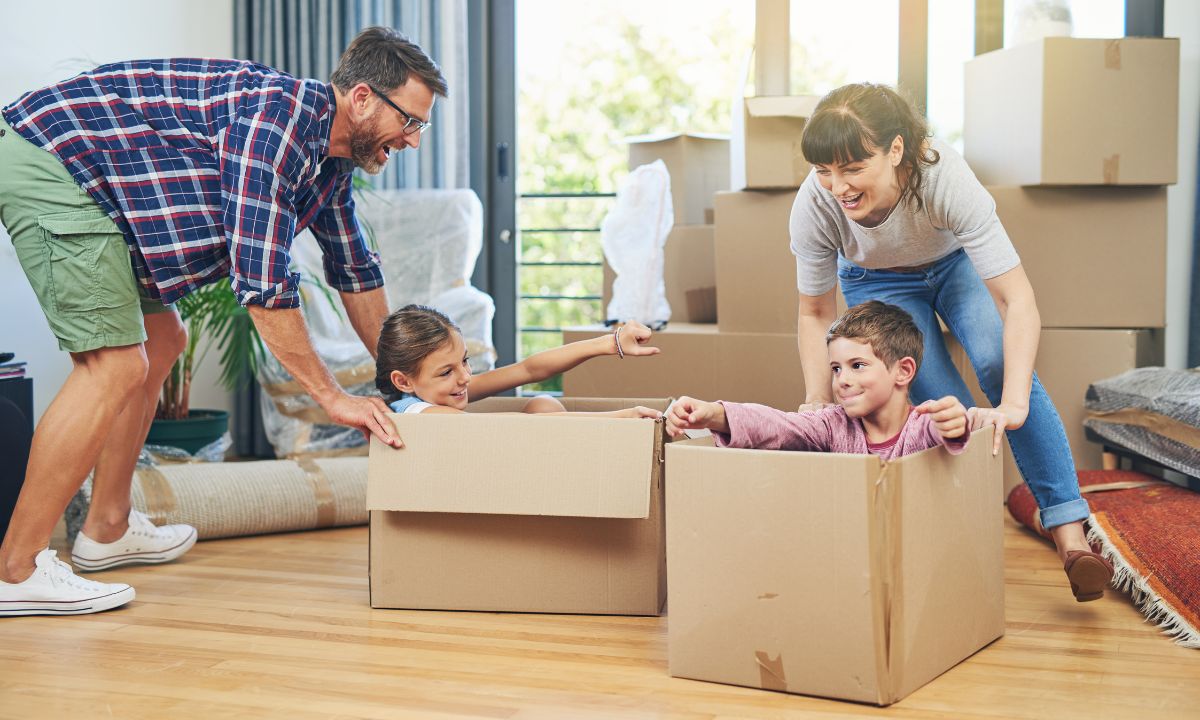 Moving to a new home can be an exciting adventure, especially for families. However, for children, it can also bring a mix of emotions. As a parent, you play a crucial role in helping your kids transition smoothly. Here are some strategies to prepare your children for the big move while also navigating the process effectively.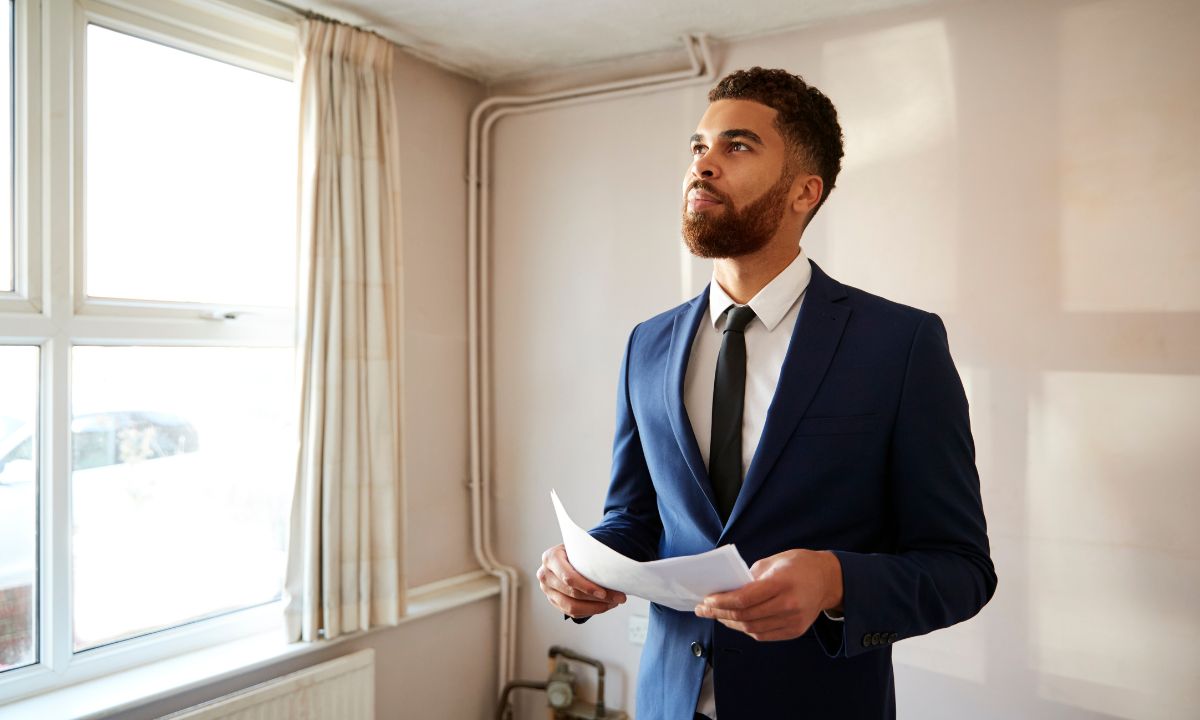
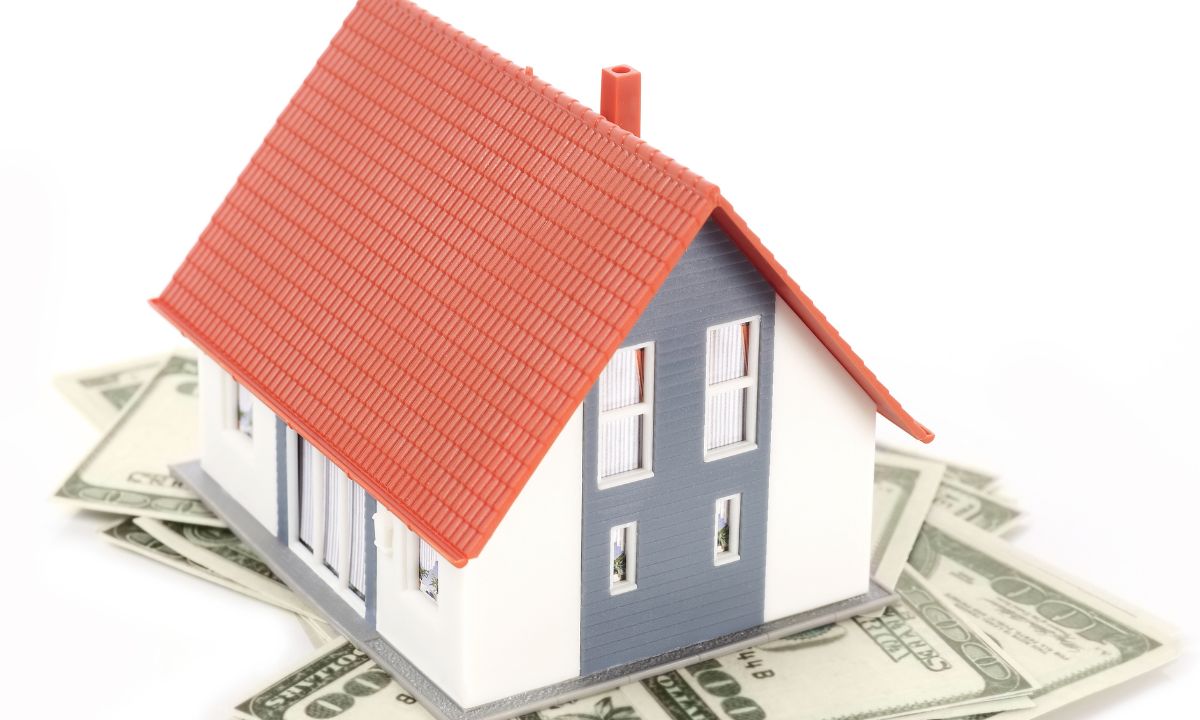 Selling your home can be an exciting yet daunting process, and one of the most pressing questions you may have is, “What will it cost me?” The total expenses involved in selling a home can fluctuate based on various factors, including the sale price, any concessions you might offer to buyers, and the condition of your property. Understanding these costs upfront can help you plan better and minimize surprises down the road.
 If you’re selling your home, you might be surprised to learn that certain information regarding the sale must be reported to the IRS. This requirement stems from the Tax Reform Act of 1986 and is meant to ensure compliance with tax laws and to assist the IRS with audits.