 When spring arrives, many people want to spend more time outdoors enjoying the fresh air and warmer temperatures. While you could lounge in a chair with a good book, you may find it more enjoyable to plant your own vegetable garden. This is an on-going project that will require you to spend time outdoors regularly, and it can be quite enjoyable to watch the fruits of your labor spring to life. More than that, you may love to sample and even share the tasty treats that you have grown on your own. If you are ready to get started planning and planting your vegetable garden, follow these preliminary steps.
Choose the Plants That You Want to Grow
As a first step, think about the types of plants that you want to grow in your garden. These should ideally produce vegetables that you and your family will enjoy eating. They also ideally will be suitable for growing in your climate and with the type of soil that is present on your property. Additionally, enough space should be available to accommodate the full grown size of the plants. This up-front effort is critical for the next few steps in the planning and preparation process.
Select a Suitable Space in Your Yard
Each plant species will have special growing requirements. Some plants may prefer to be in full sunlight, and others may prefer partial sunlight or mostly shaded areas. Some may prefer soil that is mostly dry or that is regularly moist and wet. Different areas of your yard may be more accommodating for some plant species than others. For example, plants that prefer more moist soil may thrive in a lower area of your yard that receives more runoff when it rains and that takes longer to dry out after a shower.
Choose the Best Time to Plant
A final point to consider is the best time to plant your crops. Some will thrive when cooler temps in early spring are still common, but others may not tolerate a freeze at all. These may need to be planted after the risk for a late spring freeze is gone. Think about how long it takes plants to grow and what the temperatures in your area may be when the plants are fully grown and ready to produce vegetables for you.
You may be able to complete much of this preliminary planning and research during the last few weeks of winter from the comfort of your own home. Keep in mind that you can get outdoors and begin to prepare your garden area before you are ready to plant your crops. These steps will pave the way for a truly enjoyable do-it-yourself project this spring.
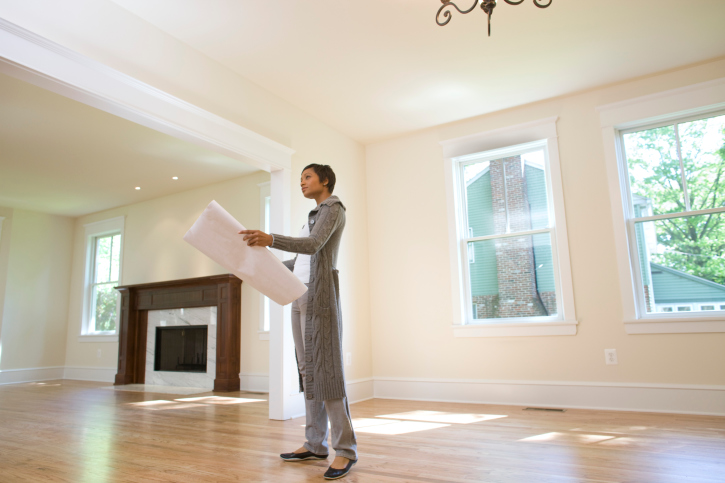 While the real estate market in most areas may slow down considerably during the winter months, activity quickly picks up in the spring time. More listings are available for buyers to choose from, but there are typically many more buyers competing for those properties. With the fast-paced and often pressure-filled market activity during the spring, it is easy for buyers to react accordingly and to overpay for the home they fall in love with. By following a few important tips, you can take steps to ensure you get a great deal on your real estate purchase.
 According to the S&P Case-Shiller Home Price Index report for January, home prices grew by 4.50 percent year-over-year as compared to January 2014’s year-over-year price growth rate of 10.50 percent. This was the lowest rate of home price growth since 2012.
 If you are thinking about listing your home for sale, one of the biggest factors that may be holding you back from pulling the trigger on this decision is the value of your home. You may have a decent idea about the value of your home by researching other listings in your community, but you may not be able to pinpoint a fair asking price that would get your home sold quickly without leaving money on the table. The fact is that your knowledgeable real estate agent will provide you with a valuation up-front, and this can help you to make a more informed decision. There are several components to the valuation that you may need to know more about.
 Last week’s economic reports included reports on new and existing home sales and FHFA’s monthly home price index for properties associated with Fannie Mae and Freddie Mac mortgages. The details:
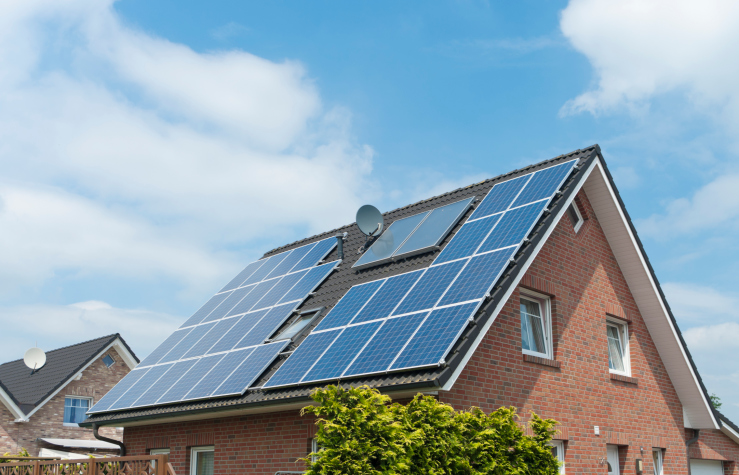 If you are a homeowner, you should always be thinking about ways that you can boost the resale value of your home. Whether you are planning on putting the home on the market, or simply want to be prepared for the future, there are upgrades that can make your property more desirable. Give your home the attention it deserves and you’ll be prepared for whatever may come down the line.
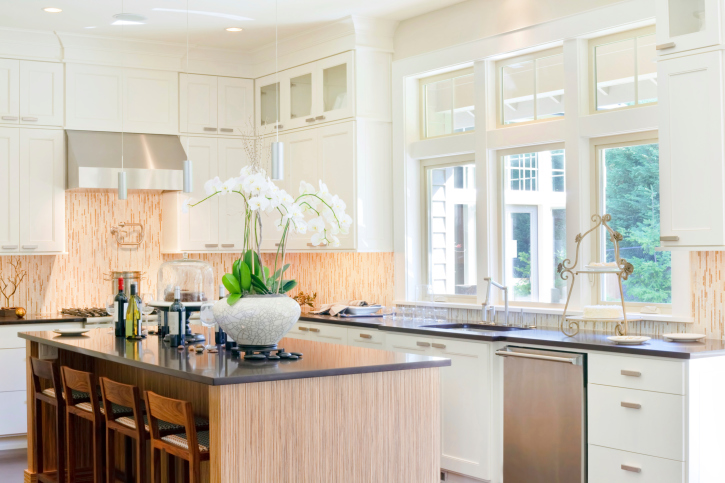 Your home may be one of your largest assets, and you certainly want to take steps to get the highest price possible for it when you list it on the market to sell. In addition, you may have plans to purchase a new home or to take other similar steps when list your home, so you may need to your house to sell quickly. Staging your home is a great way to present it in the best possible light for potential buyers to see. While there are dozens of staging tips and ideas that you may use, there are a few that are rather simple and affordable for most to complete.
 The Federal Housing Finance Agency (FHFA) reported that home prices rose by a seasonally-adjusted rate of 0.30 percent in January, and were 5.10 percent higher as compared to home prices in January 2014.
 A fire can rage through your home at a moment’s notice, and it can cause a significant amount of damage in a very short period of time. Damage from the flames, intense heat, smoke and soot can cause tens of thousands of dollars or more in some cases, and a severe fire event can result in a total loss for the homeowner. More than that, a fire can create a serious health and safety risk for you and your loved ones inside the home. If you are concerned about how safe your home is from a fire, consider a few important points.
 Last week’s events included the National Association of Home Builder’s Housing Market Index, which fell to its lowest reading since last summer. Other news included reports on housing starts and building permits, the FOMC meeting statement and Fed Chair Janet Yellen’s press conference.