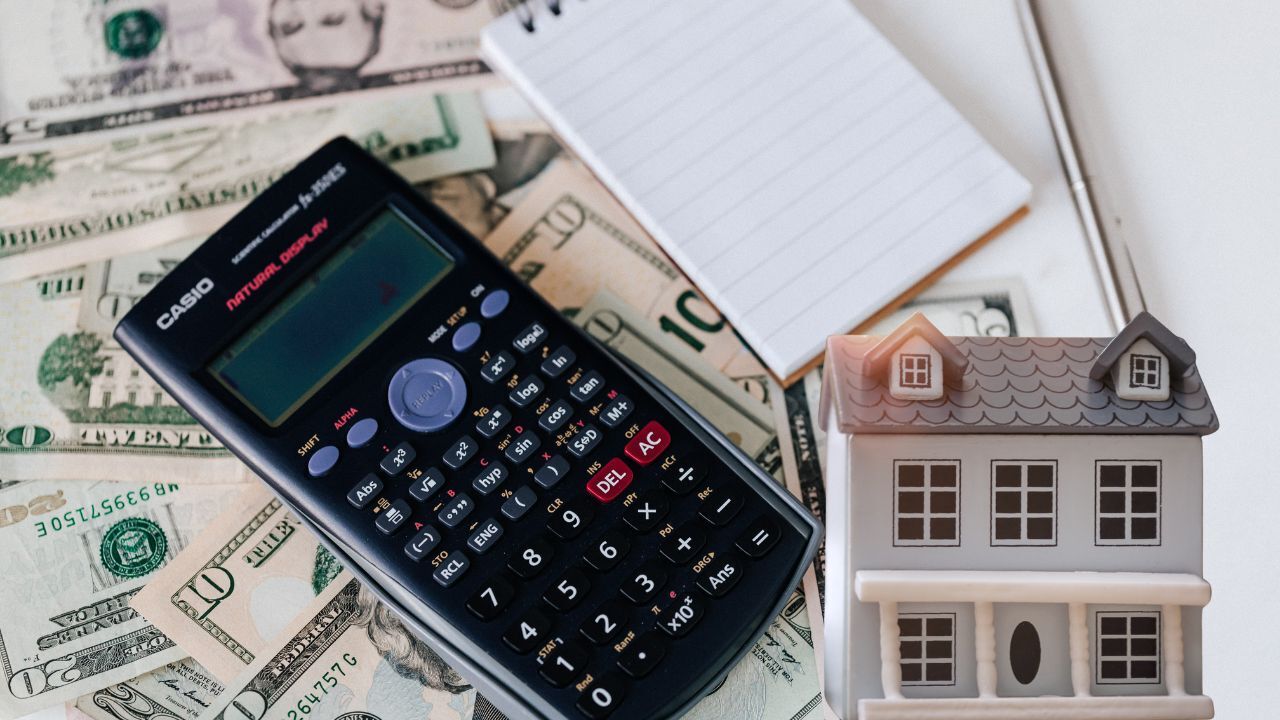
 Buying a home is an exciting step and a powerful wealth building move, but the purchase price is only part of the financial picture. Many buyers focus on the down payment and monthly loan amount, then feel surprised by the ongoing costs that come with owning a home. Understanding these expenses ahead of time helps you buy with confidence and avoid unnecessary financial stress.
Your Monthly Mortgage Payment
For most homeowners, the mortgage payment is the largest recurring expense. This payment includes the principal balance and the interest charged for borrowing the funds. The amount depends on your loan size, interest rate, and loan term. Choosing a payment that fits comfortably within your budget is essential for long-term stability.
Property Taxes
Property taxes are an annual expense assessed on your home and can vary widely. Many homeowners pay these taxes monthly as part of their mortgage payment, with funds held in escrow and paid when due. It is important to account for this cost since property taxes can increase over time.
Homeowners Insurance Coverage
Most lenders require homeowners insurance to protect the property against unexpected damage or loss. Premiums are often paid monthly through escrow. Standard policies typically cover common risks, but some situations require additional coverage. Planning for this cost ensures your home and finances remain protected.
Homeowners Association Fees
Some properties are part of a Homeowners Association. These fees are typically charged monthly or quarterly and support shared amenities and community maintenance. Costs may cover landscaping, exterior upkeep, snow removal, or other services. These fees continue even after a mortgage is paid off and should always be included in your long-term budget.
Utilities and Services
Owning a home means covering ongoing utility costs. These often include electricity, water, gas, sewer services, trash removal, recycling, television, and internet. Utility expenses can fluctuate based on home size, usage, and seasonal demand, making it important to leave room for variability.
Maintenance and Repairs
Unlike renting, homeowners are responsible for repairs and upkeep. This includes items such as roofing, plumbing, electrical systems, heating and cooling systems, and appliances. Setting aside savings for routine maintenance and unexpected repairs can prevent financial strain when issues arise.
Plan, Budget, and Prepare
Knowing how much you can afford goes beyond loan approval. Factoring in ongoing ownership costs allows you to create a realistic budget and build savings for the future. A well prepared buyer is positioned to enjoy homeownership without sacrificing financial flexibility.
Homeownership is a rewarding goal when approached with clarity and planning. Understanding the full cost helps you make decisions that support both your lifestyle and long-term success.
 Buying your next home is an exciting milestone, but it also comes with important financial decisions. Whether you are upgrading, downsizing, or relocating, preparation is key. Market conditions evolve, lending standards change, and personal finances shift over time. These seven essential tips will help you approach the process with clarity and confidence.
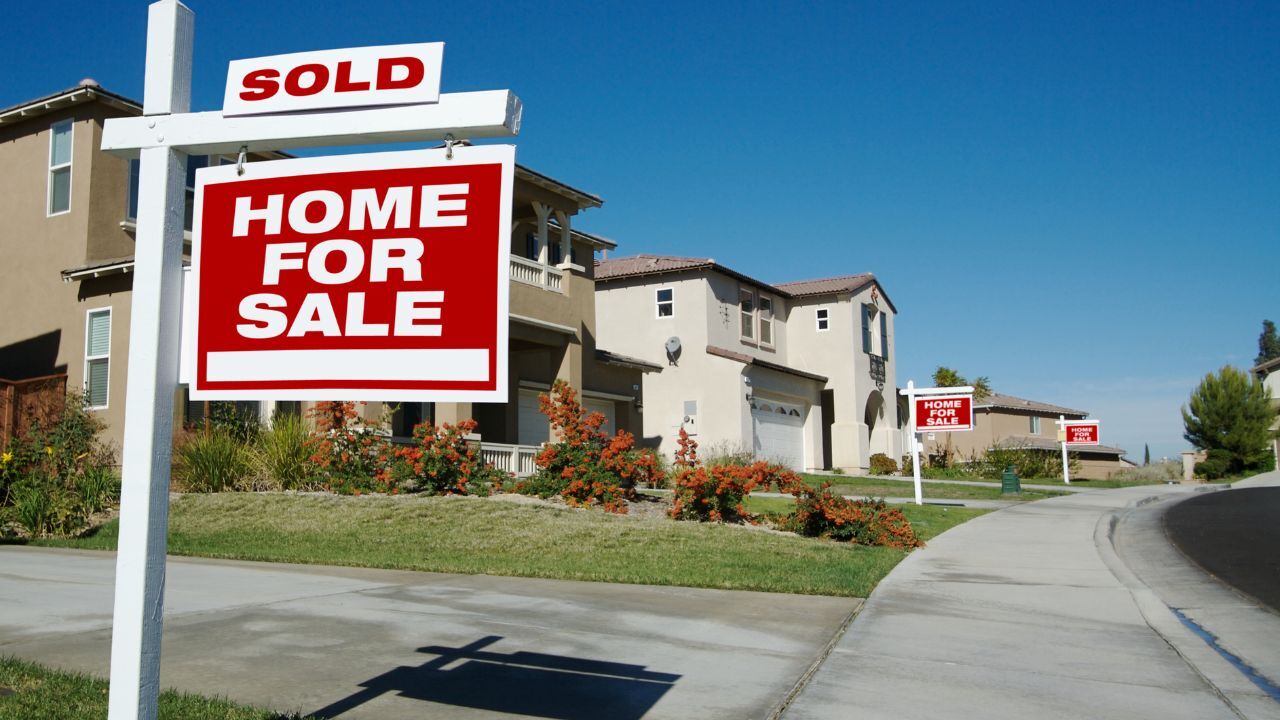 Selling your home is a major milestone, and preparation plays a key role in achieving a strong result. Buyers form opinions quickly, and thoughtful updates can influence both interest and offers. These steps help position your home to appeal to today’s buyers while maximizing value.
 As life changes, your home needs can change as well. Growing families, new hobbies, remote work, or lifestyle shifts often create the question many homeowners eventually face. Should you move into a larger home, or should you stay where you are and renovate? The answer is not always simple, and the right choice depends on your finances, your long-term goals, and how well your current home can adapt. As real estate professionals, we help homeowners evaluate these choices so they can move forward confidently.
 For many homeowners, pets are family, so it is natural to want a home that works for both humans and furry friends. The good news is that pet-friendly design does not have to compromise style or hurt resale value. In fact, many upgrades that make life easier for pets also appeal to future buyers.
 Buying a home is already a major decision, but when you are navigating a shared custody schedule, the process becomes even more personal and complex. Location, school boundaries, commute times, and daily logistics all play a larger role in your home search.
 Buying a fixer-upper can be a smart way to build equity, customize a home, and stay within budget in a competitive market. The challenge is knowing the difference between a great investment and a true money pit. As real estate professionals, we guide buyers through this decision every day. With the right preparation and the right expectations, you can choose a home with potential instead of one that drains your savings and your sanity.
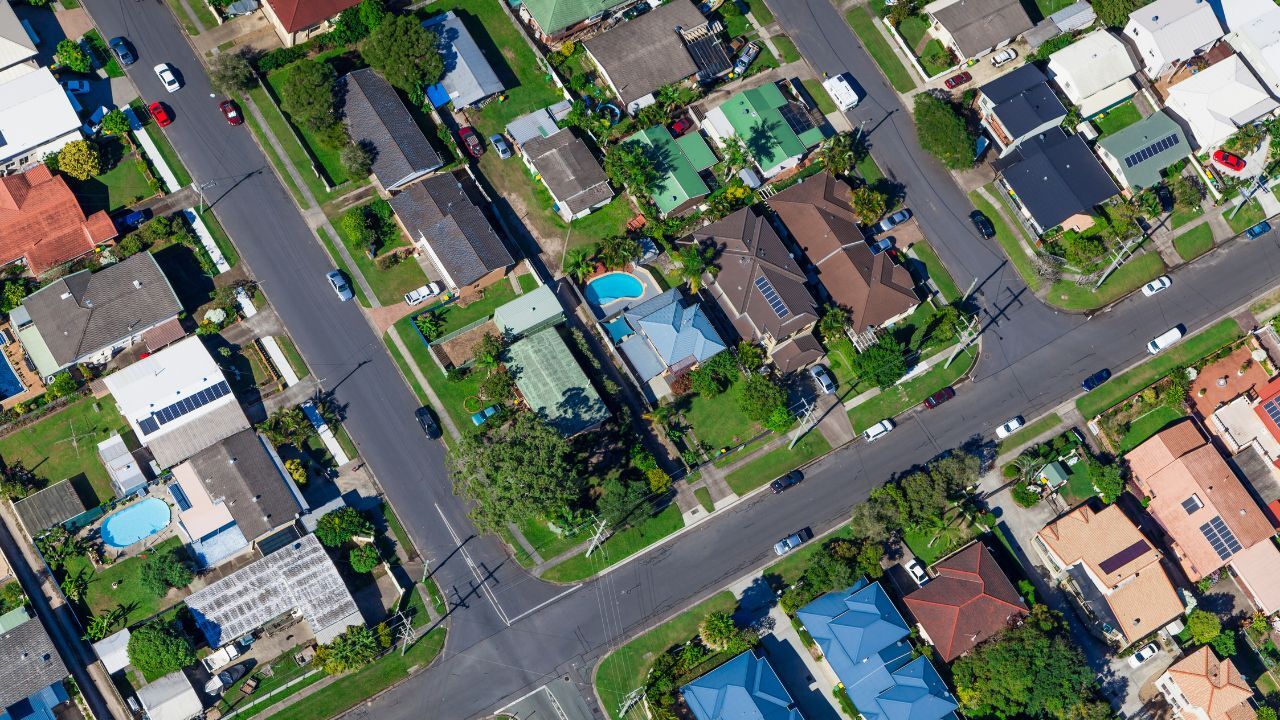 Finding a home with a low price can feel exciting, especially in a competitive market. However, the lowest priced home on the block is not always the best value. While it may seem like a smart way to save money, the true cost often becomes clear only after you look deeper. Understanding the risks and hidden factors can help you avoid a purchase that may cost more in the long run.