 Even though not every home has a basement, those that do usually fall into one of three categories. The most common examples of basements include poured concrete, masonry block basement, and precast panels. What do homeowners need to know about the different types of basement construction?
Concrete Basements
Concrete basements are the most common examples. There are several advantages of going with a concrete basement. First, concrete basement walls are resilient. They can resist possible cave-ins, standing up to natural pressure created by wind, water, and soil. Furthermore, concrete basements are also fire-resistant while creating joint-free basements that can increase property values.
Even though concrete basements are water-resistant, hydrostatic pressure can allow water to permeate over time, creating mold and mildew issues. Homeowners need to keep a close eye on the humidity of a concrete basement to make sure this is not happening in their homes.
Block Masonry Basements
Another popular type of basement is called a block masonry basement. This structure is created with cinder block or masonry units that are connected to one another. Ultimately, this creates a waterproof structure. This is a highly resilient, cost-effective construction option that is much easier to install. Therefore, homeowners can save money on labor and materials. The walls are also more durable if they are reinforced using a steel rebar.
Precast Panel Basements
Finally, homeowners may also encounter a precast panel basement. These usually involve concrete panels that are molded in a different location before being transported to the construction site using a crane. Typically, these walls are strong and resilient. They do provide waterproof qualities, but if the joists have been neglected, they can develop moisture penetration issues. These panels also have to be treated with boric acid to prevent pest infestations.
Options For Basements: Homeowners Should Work With A Professional
Ultimately, there are plenty of options available when homeowners are looking to construct the basement. Examples include full basements, partial basements, walkout basement, and crawl spaces. Homeowners need to work with a construction professional who has experience building basements. Each option has its individual benefits and drawbacks, so homeowners need to inquire about permits and environmental factors that might make one type of basement superior to another.
 Last week’s economic reporting was limited due to the Labor Day holiday. Job openings were reported along with weekly readings on mortgage rates and jobless claims.
 Homeowners need to make sure they maximize every square foot of their home. This includes the closet. Many people get frustrated when they look at their closets because they feel like they cannot find what they are looking for. Anyone who is struggling to keep their closet organizers should take a look at a few important points below.
 There are different methods that home buyers may use to find a real estate agent to work with. While some may use the services of a real estate agent who they know personally, others may reach out to a professional who they have located online. Regardless of whether you previously knew the individual in a non-professional setting or not, it is important that you check your agent’s reference and testimonials before you get started with the home buying process. There are several good reasons for this.
 Due to recent changes in federal regulations, consumers are now allowed to freeze their credit free of charge. Prior to changes in these regulations, credit bureaus would charge consumers for freezing their credit. What does this mean, and why might someone want to do this?
 Last week’s economic news included readings on home prices from Case-Shiller; readings on construction spending and pending home sales were also released. Weekly data on mortgage rates and jobless claims were also released.
 It is critical for everyone to find a home that is right for them. Given the current lack of inventory, this can be a significant challenge. Fortunately, the National Association of Realtors (NAR) keeps track of numerous market aspects, including how long the average family stays in a home. For the past few decades, the average family has stayed in their home for approximately six years; however, during the past few years, that average has gone up to nine years. This means that the average homeowner is keeping his or her house longer than he or she did in the past. Why is this happening?
 There are many people who purchase a home with a target monthly payment in mind. This monthly payment usually includes major expenses such as the monthly mortgage payment, real estate taxes, and homeowners’ insurance. At the same time, there are other costs as well, such as home repairs and maintenance.
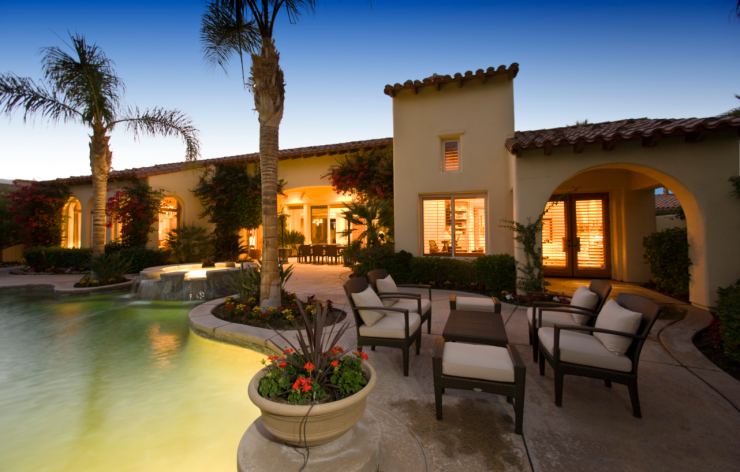 S&P Case Shiller Home Price Indices reported new record gains for home prices in June. The National Home Price Index rose by a seasonally-adjusted annual pace of 18.60 percent as compared to May’s home price increase rate of 16.80 percent. Home prices were 41 percent higher than they were during the 2006 housing boom; home price growth was driven by high demand for homes coupled with short supplies of homes for sale.
 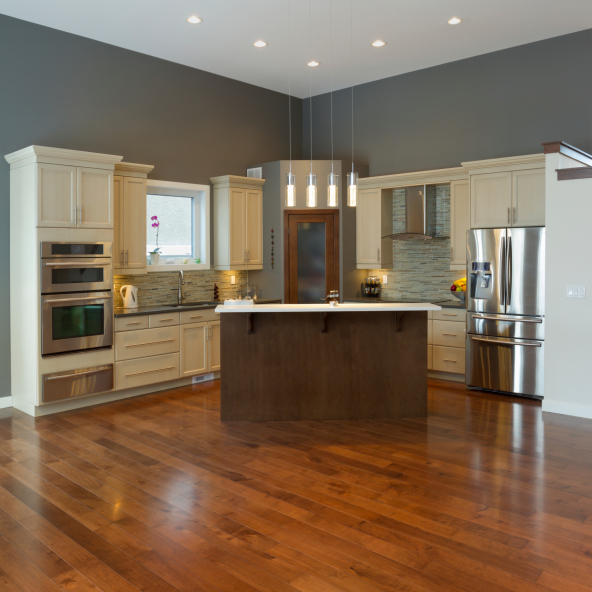 Are you working on decorating your home? Perhaps you want to spruce up your decor, but you aren’t sure where to start. Where can you find inspiration for your home decor, besides the obvious home decor magazines and websites?