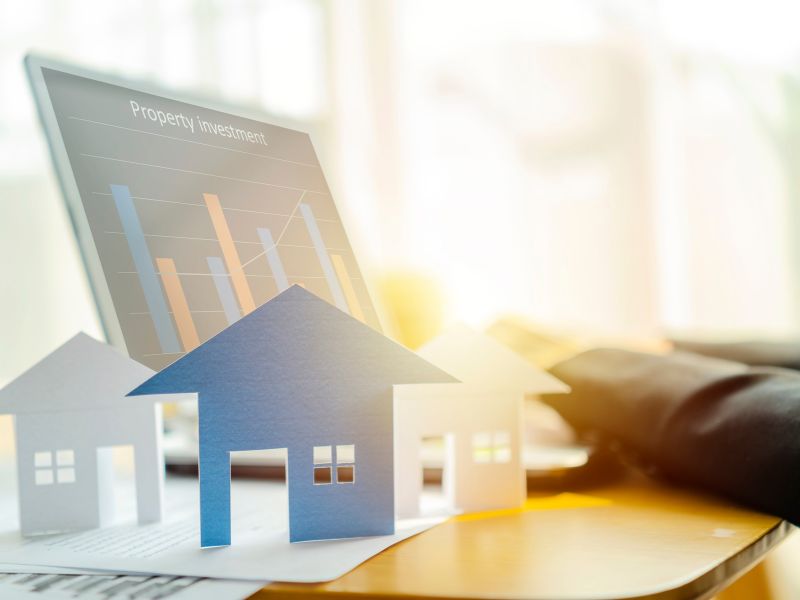
 In the rapidly evolving landscape of real estate, smart homes are emerging as a transformative force, reshaping the way we live and interact with our living spaces. Automation and technology have become integral components of modern homes, offering unprecedented levels of convenience, efficiency, and sustainability. This article delves into the burgeoning realm of smart homes, exploring the impact of automation and technology on the real estate industry and the future trends that promise to redefine our concept of home.
The Rise of Smart Home Technology
The past decade has witnessed an explosion in smart home technology, with devices ranging from smart thermostats and lighting systems to security cameras and virtual assistants. These innovations are designed to enhance comfort, security, and energy efficiency, providing homeowners with greater control over their living environments.
Integration and Connectivity
One of the key trends driving the future of smart homes is the increasing integration and connectivity of devices. The advent of the Internet of Things (IoT) has enabled seamless communication between various smart devices, creating a unified and interconnected home ecosystem. This connectivity allows homeowners to control and monitor their homes remotely, leading to increased efficiency and peace of mind.
Home Automation and Artificial Intelligence
Automation and artificial intelligence (AI) are at the forefront of the smart home revolution. Intelligent systems can learn from user behavior and adapt to preferences, automating routine tasks and creating personalized living experiences. From adjusting the thermostat to optimizing energy consumption, AI-driven automation is set to become an integral part of future smart homes.
Energy Efficiency and Sustainability
The future of smart homes is intrinsically linked to sustainability. Smart technologies play a crucial role in optimizing energy usage, reducing waste, and promoting eco-friendly practices. Energy-efficient appliances, smart HVAC systems, and solar-powered solutions contribute to both environmental sustainability and cost savings for homeowners.
Enhanced Security Features
Security is a top priority for homeowners, and smart home technology is revolutionizing the way we approach safety. Advanced security systems, including smart locks, video doorbells, and AI-powered surveillance, provide real-time monitoring and alerts. These features not only enhance home security but also offer a sense of control and peace of mind.
The Impact on Real Estate Values
As smart home technology becomes more prevalent, it is influencing property values. Homes equipped with the latest automation features tend to be more attractive to buyers and can command higher prices. Real estate developers are increasingly incorporating smart home features into new constructions, recognizing the growing demand for technologically advanced living spaces.
Challenges and Considerations
While the future of smart homes is promising, some challenges need to be addressed, such as data security and privacy concerns. As homes become more interconnected, the need for robust cybersecurity measures becomes paramount to safeguard sensitive information and protect residents from potential threats.
Redefining the Home Experience
The future of smart homes is marked by the seamless integration of automation and technology, fundamentally transforming the real estate landscape. Homebuyers and homeowners alike are seeking innovative solutions that enhance comfort, security, and sustainability.
As technology continues to advance, the smart home revolution is poised to redefine our concept of home, creating living spaces that are not only intelligent but also responsive to the evolving needs and preferences of residents.
 Real estate investing has long been considered a lucrative venture, but the common misconception is that it requires a substantial amount of capital to get started. In reality, numerous strategies allow beginners to dip their toes into the real estate market with minimal funds. We will guide aspiring investors on how to start their real estate journey with little money and build a solid foundation for long-term success.
 Selling a home can be an exciting yet challenging endeavor and one of the most effective ways to ensure a quick and profitable sale is through home staging. Home staging is the art of presenting your property in the best possible light to attract potential buyers and create a lasting impression. In this ultimate guide, we’ll explore a variety of tips and strategies to help you stage your home for a quick and successful sale.
 The final release of the GDP figures are the last large releases of the year before moving into Q1 of 2024, with the GDP report showing the economy had shown growth — particularly in Q3 with it tapering off by the end of the year. While the growth had been strong, it still was less than expected by analysts, however the final numbers do indicate we are on a track for a soft-landing and with the potential to all-together avoid a potential recession. The only other reports of note were the Personal Spending and PCE Index Prices.
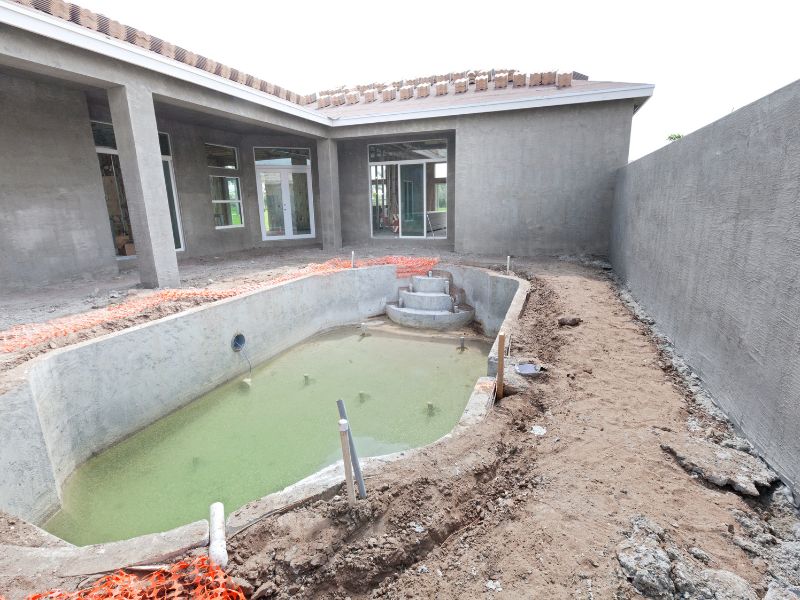 Creating a backyard oasis with a swimming pool, hot tub, or water feature can transform your outdoor space into a haven for relaxation and entertainment. However, financing such a project often involves careful planning and consideration. One popular financial option for these endeavors is a construction loan.
 Investing in your home by remodeling or renovating is an excellent way to increase its value. However, a significant renovation project can quickly turn into a disaster, especially for those who are inexperienced. Let’s take a look at four of the more common home renovation mistakes that homeowners make and how you can avoid them.
 It’s easy to get Private Mortgage Insurance (PMI) confused with homeowners’ insurance, but PMI is an entirely different thing that may or may not be necessary when it comes to your home purchase. If you’re going to be investing in a home in the near future and are wondering what PMI may mean for you, here are some things to consider regarding this type of insurance.
 Do you ever dream about a larger, roomier, or more luxurious living space? Or perhaps just want to experience the joy of owning your own home and building your net worth instead of renting? Let’s explore a few questions that can help to answer whether or not you’re ready for a new lifestyle as a homeowner.
 With both CPI and PPI reports well within expectations, there is a favorable reception across the broader market spectrum that these reports are a strong sign that the Federal Reverse will begin rate cuts in 2024. A soft landing for the economy is the primary goal of the Federal Reserve, and it would seem their measures have had the intended impact with the Jobless claims seeing a recent new low and many of the primary economic signals pointing to a stable 2024.