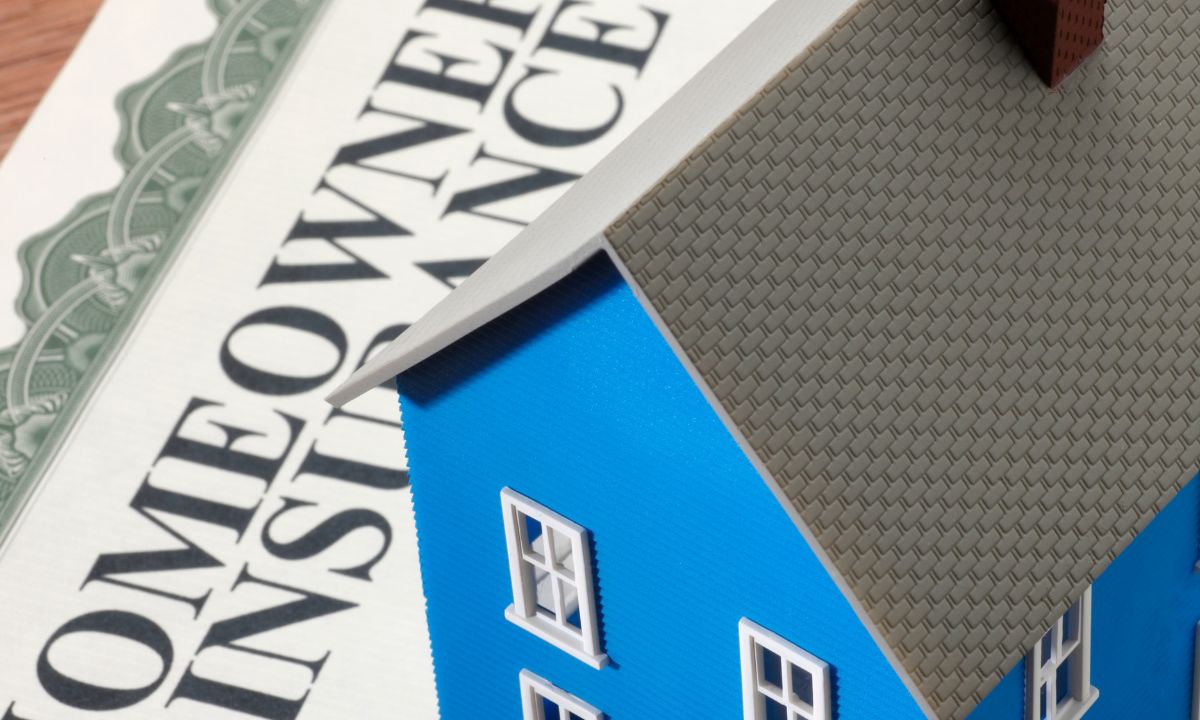
 Buying a home is one of the most significant investments you’ll make in your lifetime. But it’s not just about purchasing the property itself—it’s also about protecting it. Homeowners insurance is a crucial part of homeownership, offering financial protection against damage or loss caused by unexpected events like accidents, natural disasters, or theft.
Whether you’re a first-time homebuyer or an experienced homeowner, choosing the right homeowners’ insurance can be a challenge. Understanding your coverage options and finding a policy that suits your needs is essential to safeguarding your home, your belongings, and your financial future.
Why Homeowners Insurance is Essential
For most homebuyers, homeowners’ insurance is not just a recommendation; it’s a requirement. Lenders often require insurance as a condition of the mortgage loan because the property you’re purchasing is also their collateral. This means that, in the event of damage or loss, the lender needs assurance that their investment is protected.
Even if you’re not required by your lender, homeowners’ insurance is a smart way to protect your property. Without it, you could face significant financial hardship in the event of a fire, storm, break-in, or other unforeseen incidents. A solid homeowners insurance policy helps cover repairs, replacements, and legal fees, and it can also provide liability protection if someone is injured on your property.
Understanding the Different Types of Coverage
Homeowners insurance policies typically offer several different types of coverage, and choosing the right one depends on the value of your property and what you want to be protected against. Here are some of the key types of coverage:
- Dwelling Coverage: This covers the structure of your home—walls, roof, floors, and built-in features—against damages from events like fire, wind, or vandalism.
- Personal Property Coverage: This protects your personal belongings, such as furniture, electronics, clothing, and valuables. If your possessions are damaged, lost, or stolen, this coverage helps you replace them.
- Liability Coverage: If someone is injured on your property or if you accidentally damage someone else’s property, liability coverage helps protect you from legal and medical costs.
- Additional Living Expenses (ALE): If your home becomes uninhabitable due to a covered event, this coverage helps with temporary living costs, such as hotel bills or rent.
- Natural Disasters and Flood Insurance: Standard homeowners’ insurance does not cover flooding, earthquakes, or other natural disasters in some regions. These policies can be purchased separately or as add-ons.
Assessing the Right Coverage for You
Before choosing a policy, it’s important to assess the value of your home and belongings. Take inventory of everything you own, including furniture, electronics, and valuables. You should also consider the cost of replacing your home if it were to be completely destroyed. A home appraisal may be helpful to determine the replacement value of your property, and you can use this figure to guide your coverage needs.
Next, evaluate the types of risks you may face based on your location. If you live in an area prone to floods, wildfires, or severe storms, additional coverage for those risks may be necessary. For example, if you live in a flood zone, you’ll need to purchase flood insurance separately.
Choosing the Right Policy and Provider
Once you’ve assessed your needs, it’s time to shop around for the best homeowner’s insurance policy. Look for a policy that offers the right amount of coverage for your home and belongings at a price you can afford. Consider the insurer’s reputation for customer service, claims handling, and overall satisfaction. An insurance agent or broker can help you navigate the options available and recommend the best policy for your situation.
It’s also important to review the policy details carefully, paying attention to exclusions and deductibles. For instance, some policies may not cover certain types of damage or may have higher deductibles for specific risks. Understanding these details upfront will help you avoid surprises later on.
Homeownership is a significant investment, and homeowners’ insurance is a vital tool in protecting that investment. With the right coverage, you can have peace of mind knowing that if something unexpected happens, you’re financially prepared. By assessing your needs, understanding the coverage options available, and working with a trusted insurance provider, you can choose the right homeowner’s insurance to protect your home and everything in it.
 When it comes to homeownership, one of the most important aspects of the process is ensuring you have the proper legal documentation that proves your ownership. This documentation usually comes in the form of a title or a deed. These documents not only provide proof of ownership but also serve as a way to protect your rights to the property. Whether you’re buying your first home or adding to your real estate portfolio, understanding the difference between titles and deeds is essential to securing your investment.
 Big inflation reports for the coming week with both CPI and PPI on the schedule. We should expect the data to remain within expectations given the latest reports from both the PCE Index and GDP estimates. The Federal Reserve has still remained hawkish and the last rate decision the expectation is the current rates should maintain. However with the inflation being very close to the Federal Reserve’s target inflation rate and the expected “soft landing” on the horizon. The outlook is optimistic for another round of rate cuts in future.
 Today, on Veterans Day, we pause to honor and express our deep appreciation for the brave men and women who have served and protected our nation. Your courage, sacrifice, and dedication embody the very best of who we are as a country, and we are forever grateful for your service.
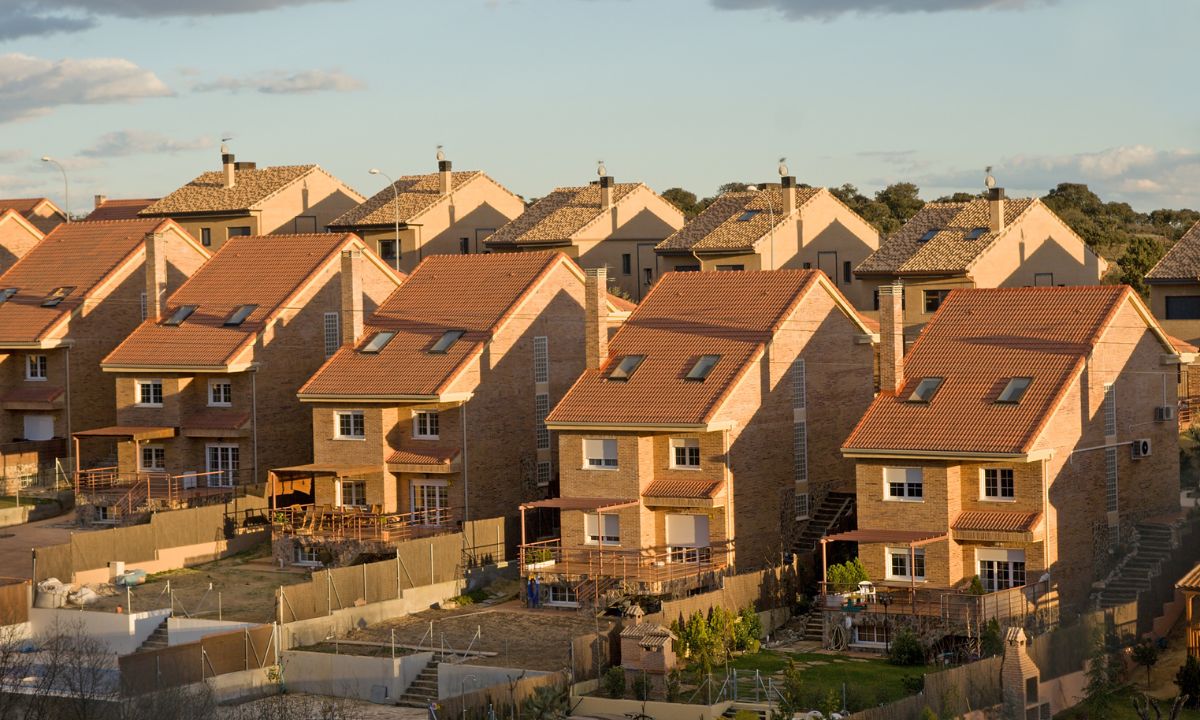 When buying a home, it’s easy to focus solely on the property itself—square footage, curb appeal, layout, and finishes all tend to grab our attention. But what happens outside the property can be just as impactful, especially when new developments are underway nearby. Whether it’s the construction of a new shopping center, school, or transit line, nearby developments can significantly influence property values, sometimes raising them and, in certain situations, leading to complexities. Here’s how developments around your property might shape its value and tips on researching these projects before making a decision.
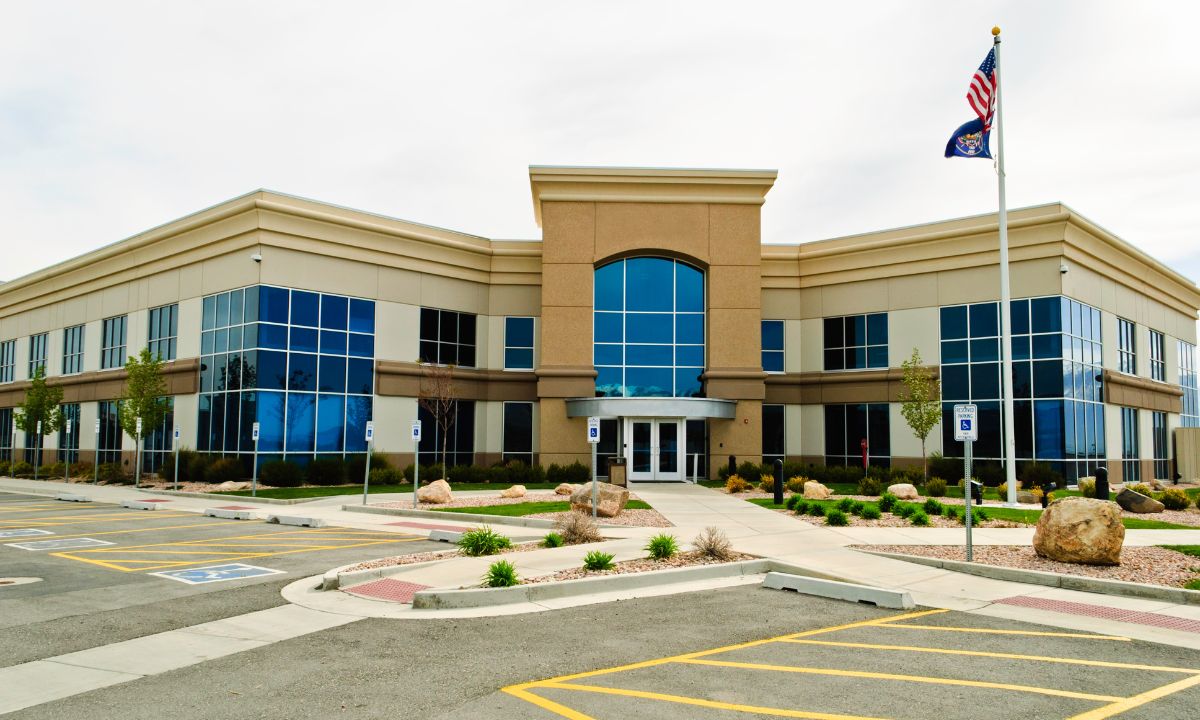 When purchasing a home, many elements shape the decision-making process, and for countless buyers, school districts are at the top of the list. Quality education access not only influences family decisions but also has a profound impact on property values. Whether you’re a family prioritizing educational opportunities, an investor focused on appreciating assets, or a homeowner thinking about resale value, understanding how school districts affect home values is crucial. This guide explores the connections between school districts and property values, delving into buyer priorities, market demand, community stability, investment potential, and resale value.
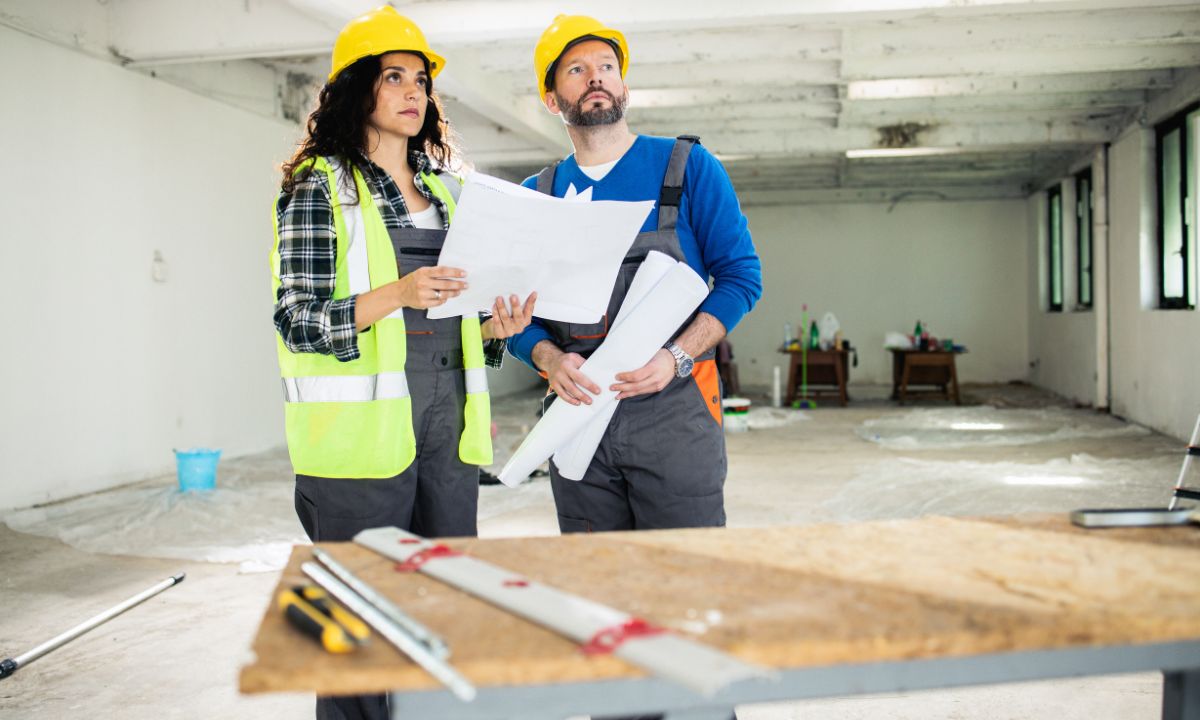 When preparing to sell, many homeowners consider renovations to boost their property’s appeal and value. While updating a home can make it more attractive to buyers, it’s crucial to weigh the potential benefits against the costs. Here’s a look at the pros and cons of renovating before listing to help you make an informed decision.
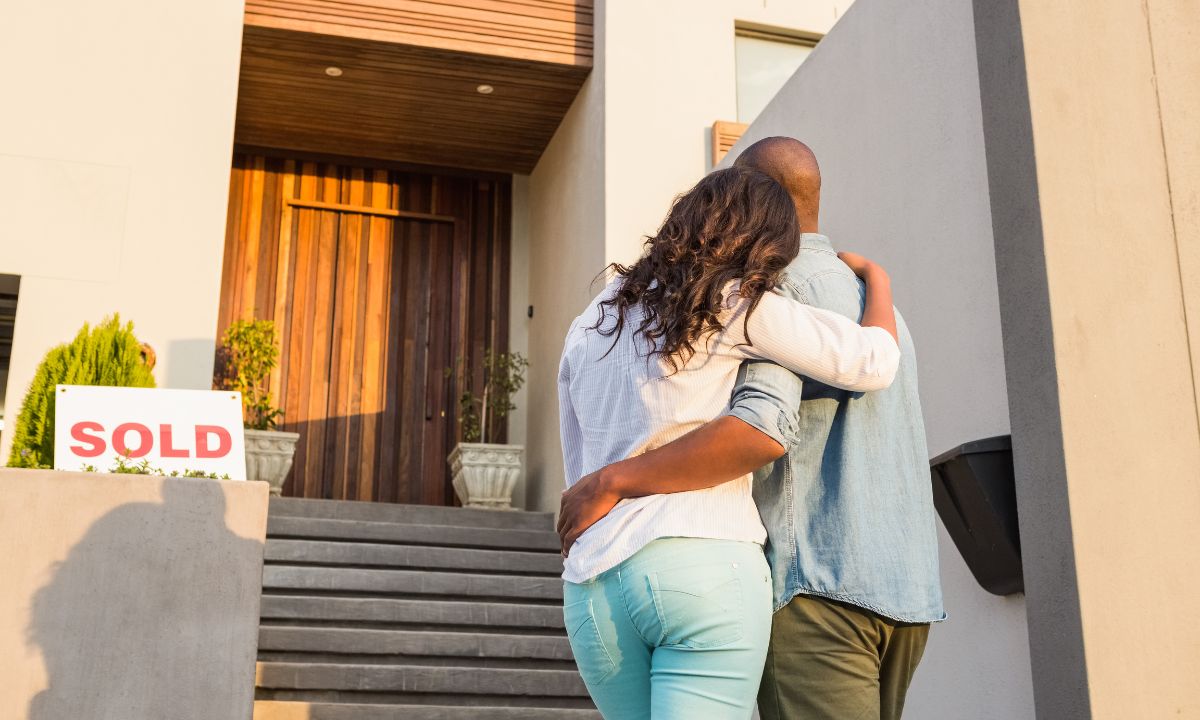 The home-buying journey is thrilling but can take longer than expected, especially if you need to restart after a purchase falls through. So, how long should you plan for? Generally, you can expect the process to take around four months, divided into three main phases: the search, the offer, and financing.
 When selling your home, even minor repairs can make a big impact on its value and appeal to buyers. Addressing small issues before listing your property can help you stand out in the market and potentially increase your sales price—without needing to spend much. Here are some small but effective repairs that can help you make a lasting impression on buyers.