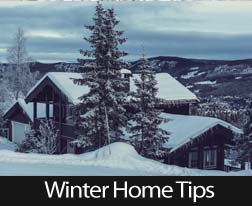
 It’s getting cold, and that means you’re at risk for blizzards or ice storms. Depending on where you live, these winter storms can knock out the power for weeks. With these easy tips, you can be prepared for and even enjoy these storms.
Stay Warm
Losing power means losing heat, and that can be a pain. But trust me, you can live comfortably for a long time with no heat. The first step is to dress warm. Lots of light layers keep you warmer than one big coat, so layer up. Wear a hat or a hood as well.
Your body loses most of its heat through your head. It’s also important to insulate your house. Put extra weather stripping or towels under the door and windows. You don’t want any drafts getting in.
Keep Your Water Running
Pipes might freeze during a winter storm as well. It’s important to keep the water running. The water in the pipes will freeze much faster if it isn’t moving. So go to each faucet and tap and turn them on just a little bit, so that they’re barely dripping. That way the water won’t sit still in the pipes and freeze.
Stay In The Loop
Your regular sources of information may be obsolete without electricity. Your computer and cell phone will die quickly, and your television will be dead as well. Keep a battery-powered radio on hand.
It seems old-fashioned, but it’s much more comforting when you know when the power is expected to come back on. Remember that most news like this is on the AM stations.
Check On Your Neighbors
Remember you’re not the only one without power. Put on your snow boots and go see how your neighbors are fairing in the winter storm. Even if they’re the kind of neighbors with an obnoxious barking dog, it’s worth checking in on them. You might bring an extra blanket or two as well.
Stock Up
When it comes to winter storms, it’s better to be over prepared, than not prepared enough. Keep some extra water and canned foods stored in the house. Keep extra flashlights, candles, matches, a camping stove, and maybe some extra gasoline for the car, or generator.
Like a boy scout always be prepared. Most storms won’t be a matter of life and death, but your preparedness will make the storm much more comfortable.
Winter storms can be a pain in the neck, but a little preparation goes a long way. When the power goes out, it’s nice to know that you have everything you need to get by.
Just remember to stock up on supplies, keep your water running, stay up to date, and check on your neighbors.
 Last week brought several indicators of a strengthening economy. New home sales, private and federal employment and mortgage rates rose.
 As the temperature drops and we don more layers, it can be startling to realize how cold it’s actually gotten.
 Every holiday season when you get out the decorations, there always seems to be a period of organization where you need to untangle lights, sort out the broken ornaments and just get all of the trimmings in order.
 Any real estate agent will tell you that it’s harder to sell your home in the winter. The days are colder and shorter, leaving less time to show your home to potential buyers.
 According to the S&P Case-Shiller 10-and 20-City Housing Market Indices for September, home prices grew at an average of 13.30 percent year-over-year and achieved the highest growth rate for home prices since February 2006.
 The short holiday week brought a flurry of economic reports last week. Highlights included pending home sales, the S&P Case-Shiller Housing Market Indices and the FHFA home price index. No reports were released on Thursday and Friday in observance of the Thanksgiving holiday.
 When it’s cold outside, there’s nothing quite as cozy as curling up on the sofa with a good book in front of a roaring fire. A fireplace evokes the idea of a warm and pleasant atmosphere.
 “There’s always something to be thankful for. If you can’t pay your bills, you can be thankful you’re not one of your creditors” – Author Unknown
 The National Association of REALTORS reported Monday that pending home sales dropped by -0.60 percent in October after falling at a revised rate of -4.60 percent in September. According to Lawrence Yun, chief economist for NAR, 17 percent of real estate agents reported delays in loan closings due to the government shutdown in early October.