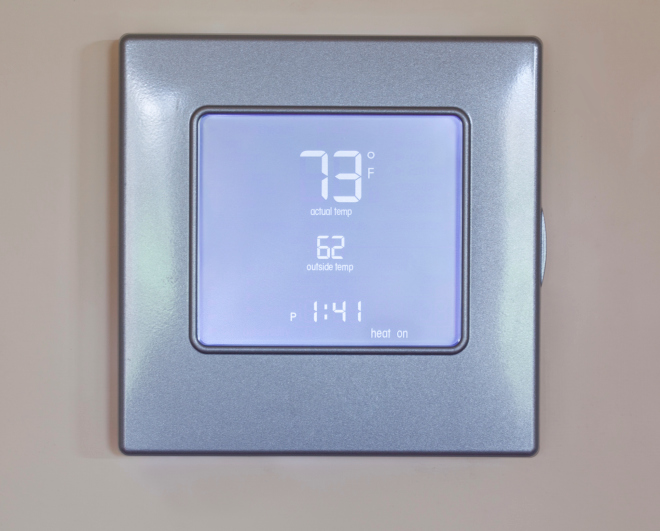
 It doesn’t matter if you heat your home with electricity, natural gas or some other energy source; prices continue to rise and that means increased heating costs for most of us.
In today’s blog post we’ll share three easy ways that you can save money on your home energy costs this winter.
Install and Use Programmable Thermostats
Now that Nest and other companies have brought Wi-Fi enabled, programmable thermostats on the market there’s very few excuses to avoid using them. At bare minimum you’ll want a digital thermostat that can be programmed to turn on and off at certain hours of the day.
For example, you can shut your heat off after leaving for work and have it turn back on again a half-hour or so before you get home. You can do the same at night when you’re fast asleep under warm blankets. If possible, try to get a thermostat for each room so that rooms can be heated individually as needed.
Switch Up Your Ceiling Fans
If you have ceiling fans you may not know that by reversing their direction you can keep your rooms feeling much warmer. In the winter you’ll want your fans spinning in a clockwise direction, which will push warm air downward into the room where you’ll be able to feel it. In the summer you’ll want to switch the fans back to counter-clockwise as this will help move warm air towards the ceiling.
Check Your Insulation, Furnace and Ducts Now
Finally, you’ll want to check that your home heating system is operating at peak efficiency. If you can access your attic, check to ensure that your insulation is tightly packed and that it’s still in good condition. Clean or replace the air filter on your furnace, and check your ducts for any leaks that need to be repaired. If it has been a few years, consider having a professional furnace and duct cleaning to get all of the dust and debris out of the ductwork.
As you can see, a little time spent on home maintenance can end up saving quite a bit in energy costs when the temperatures drop. When you’re ready to look at buying a newer, more energy-efficient home, contact your local real estate agent and book a consultation where you can share your needs and price range.
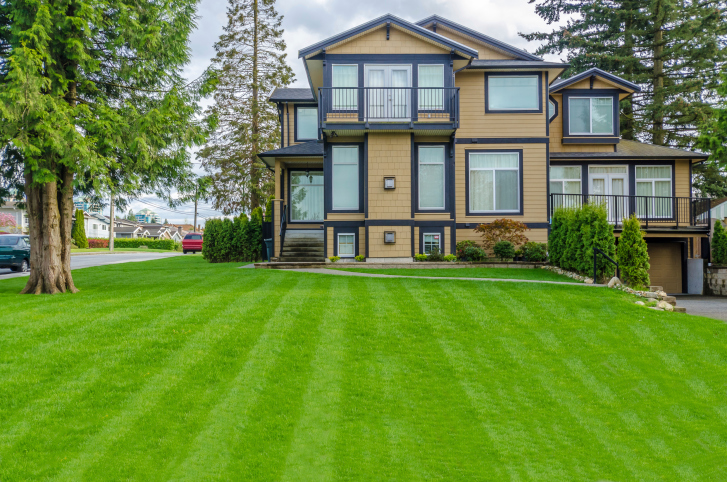 Whether you’re just listing your home for sale or you’ve already started entertaining potential buyers, focusing on your “curb appeal” can drastically increase your chances of a quick and successful sale.
 Last week’s economic reports contained mixed reports indicating that the economy continues to recover with occasional “blips” in its progress. Construction spending was lower than expected.
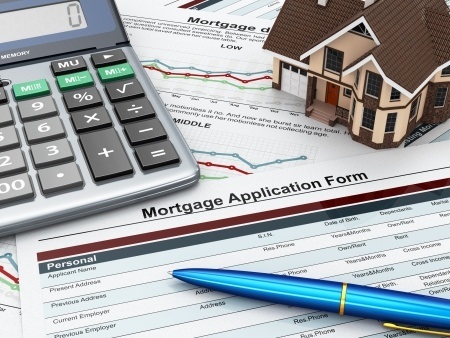
 If you’ve had some trouble getting approved for a mortgage recently, you’re not alone. Many individuals face mortgage challenges due to past blemishes on their credit reports or a personal financial crisis that resulted in bills not being paid on time.
 Are you moving to a new community or a new city? When you find a new house that meets your needs and seems like a perfect fit, you’ll want to take some time to meet your potential new neighbors before you sign on the dotted line.
 You’ve found the perfect new house or condo, and you are now preparing an offer that you believe the seller will find tempting enough to accept. However, you know that there are going to be thousands of dollars in closing costs that need to be paid before the sale is completed and you become the home’s new owner.
 Are you thinking about selling your house or condo? If you’re in a market that has a lot of newly constructed homes, you’re going to be competing with those listings for buyers’ attention.
 Last week’s economic news brought mixed developments as pending home sales moved to their second highest level of 2014.
 Are you thinking about buying a new house or condo? If so, you’ve likely given some thought to your mortgage and as to how you can pay as little as possible in order to own your new home.
 According to the S&P Case-Shiller 20 City Home Price Index, Home prices rose by 0.20 percent in August. Three of the 20 cities tracked saw home prices drop, while Detroit, Michigan posted the highest price growth. The seasonally adjusted growth rate for cities tracked declined by 0.10 percent as compared to a decline of 0.10 percent in July.