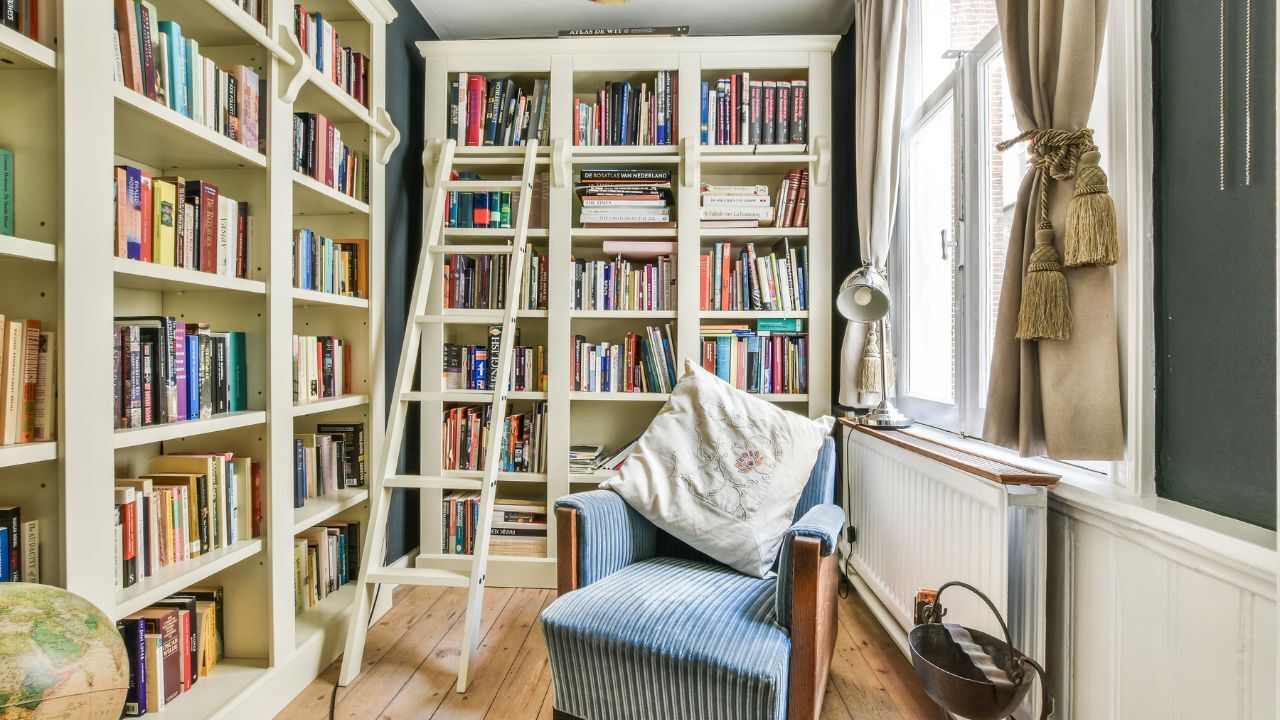
 In a world where home preferences are constantly evolving, a surprising trend has emerged among homebuyers: many are prioritizing dedicated personal libraries over additional bedrooms. While traditional real estate advice has often emphasized the value of extra bedrooms for resale potential, today’s buyers are shifting their focus to spaces that enhance their lifestyle, productivity, and personal enjoyment.
As more people embrace remote work, digital minimalism, and personalized home design, the idea of a home library has become increasingly appealing. A designated space for books, study, and quiet reflection offers an escape from daily distractions and a retreat for those who value learning and creativity.
For avid readers, collectors, and professionals who work from home, a personal library provides a structured and inspiring environment. Instead of dedicating an extra bedroom to occasional guests or storage, many homebuyers prefer to transform these spaces into reading sanctuaries.
Enhanced Productivity and Focus: With more individuals working remotely or pursuing creative projects, a home library can serve as a private workspace, free from household distractions. Unlike a multi-purpose home office, a library fosters deep focus and intellectual engagement, making it an ideal setting for writers, researchers, and remote professionals.
Aesthetic and Personal Expression: Books are not just sources of knowledge; they also reflect a homeowner’s personality and interests. A home library allows buyers to showcase their collection, incorporating unique shelving, cozy reading nooks, and carefully curated décor. This level of personalization adds character to a home in a way that an extra bedroom rarely does.
A Shift in Lifestyle Priorities: As families rethink their living spaces, the emphasis on quality over quantity has become a defining factor in homebuying decisions. Many people are opting for homes that cater to their daily needs rather than just maximizing bedroom count for resale purposes. For those who do not require multiple guest rooms or additional sleeping areas, repurposing space for a library is a meaningful investment.
Mental Well-Being and Relaxation: Reading has long been associated with stress reduction and mental stimulation. A dedicated library space creates a quiet retreat where homeowners can unwind, disconnect from technology, and enjoy a sense of peace. The ability to step away from screens and immerse oneself in a good book has become a priority for many looking to improve their work-life balance.
A Smart Investment in Home Value: While extra bedrooms often boost a home’s marketability, a well-designed library can also add unique appeal. Buyers who appreciate custom features and intentional spaces may be drawn to homes with dedicated libraries, viewing them as an asset rather than a compromise. In high-end real estate markets, built-in bookshelves and reading alcoves can increase a property’s desirability.
As homebuyers continue to redefine what is essential in a living space, personal libraries are gaining popularity as a must-have feature. Whether it is a small reading nook, a full-scale library with floor-to-ceiling shelves, or a hybrid office-library space, the trend reflects a broader shift toward designing homes that cater to personal fulfillment rather than just practicality.
For those considering a home purchase or renovation, thinking beyond traditional layouts can lead to a more fulfilling and functional living environment. As the demand for dedicated libraries grows, this trend may reshape the way homes are designed, proving that sometimes, a quiet retreat filled with books can be more valuable than an extra bedroom.
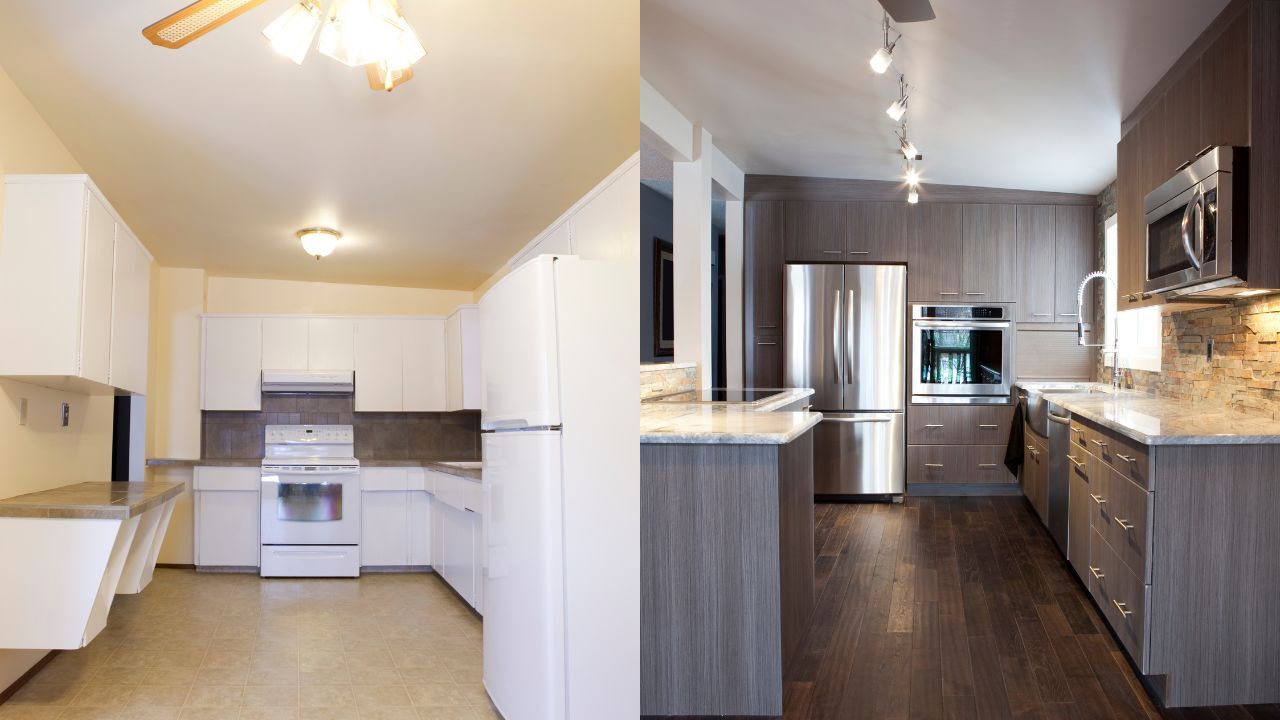 The real estate market is witnessing a rising trend: homes with dual kitchens. Once considered a luxury, dual kitchens are becoming a sought-after feature for buyers looking for functionality, convenience, and lifestyle adaptability. Whether it’s for multi-generational living, entertaining, or rental potential, homes with two kitchens are proving to be a smart investment.
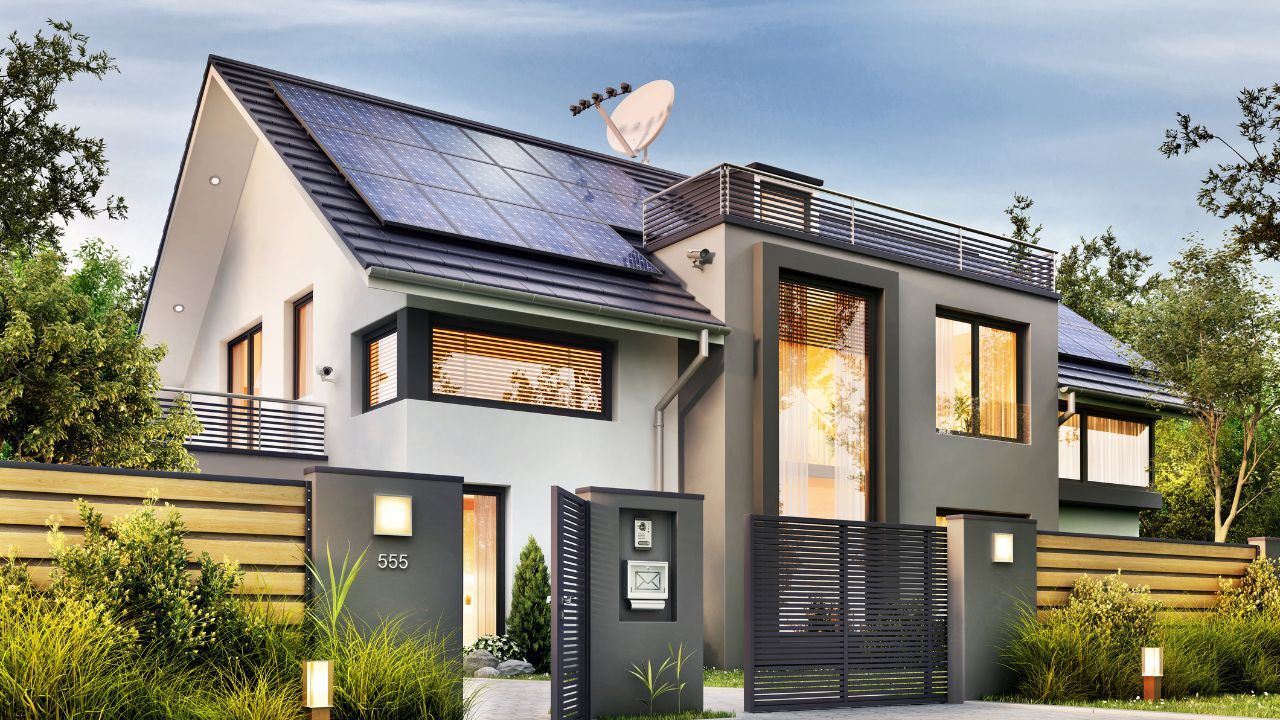 When it comes to increasing your home’s long-term value, not all upgrades are created equal. While stylish kitchens and luxurious bathrooms may attract attention, the smartest investment is one that continues to pay off for years to come: energy efficiency.
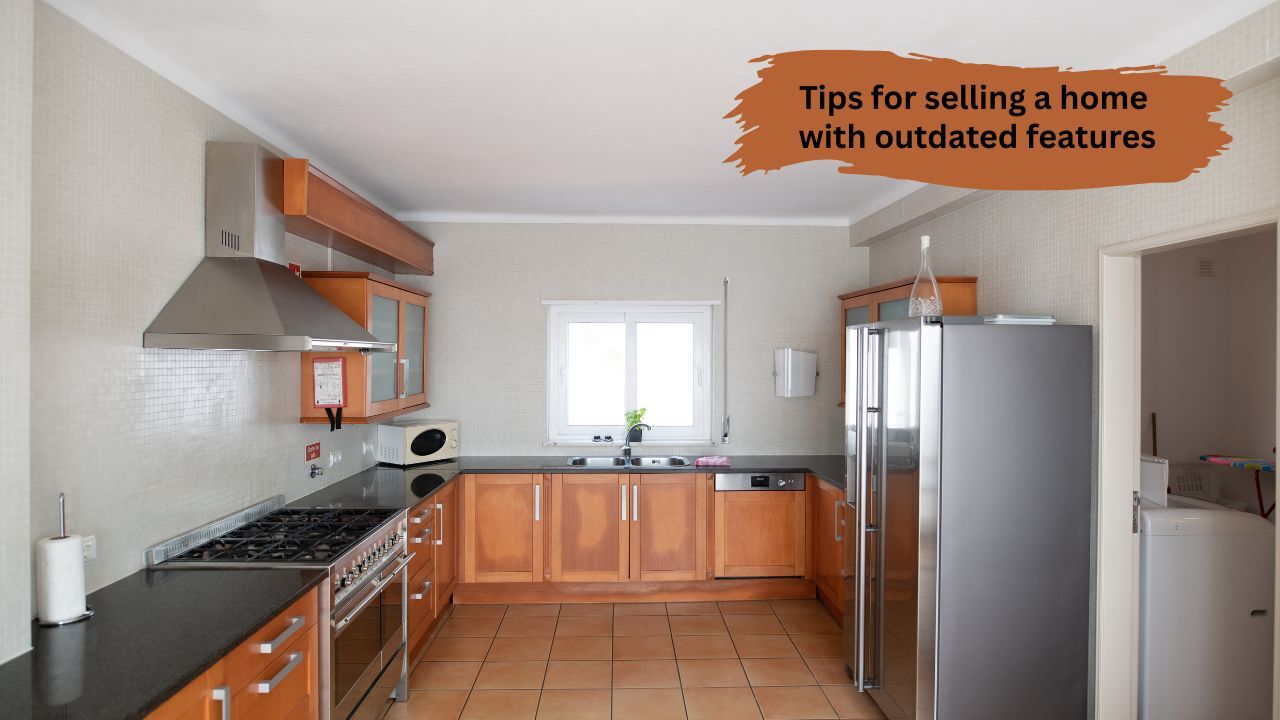 Selling a home with outdated features can be a challenge, but it’s far from impossible. Whether your kitchen hasn’t been updated in decades, or your bathrooms still have that retro charm, buyers today are looking for modern, move-in-ready spaces. However, with the right strategy and a few smart improvements, you can make your home more appealing to potential buyers and get the best possible price.
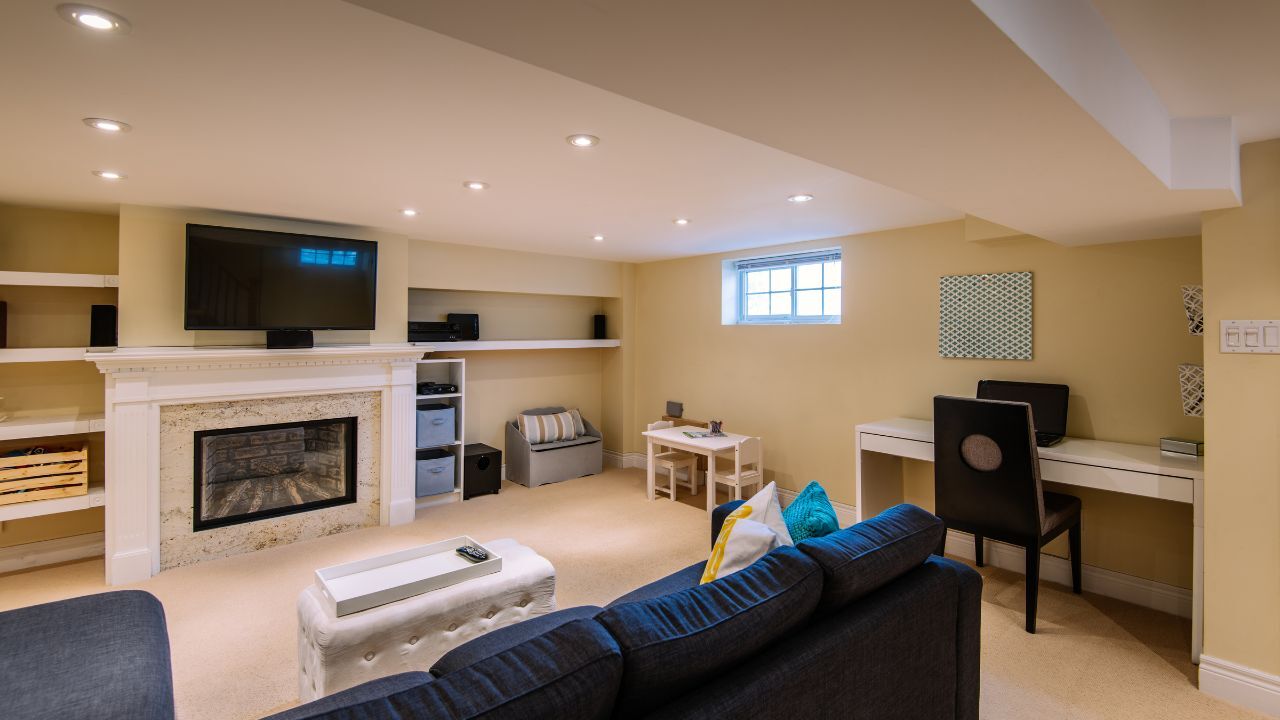 When searching for a new home, many buyers overlook one valuable feature that can add flexibility, income, and long-term potential: a basement suite. Whether it’s fully finished or ready for renovation, a basement suite can offer a wide range of benefits beyond just additional space.
 You don’t need to buy a house or manage tenants to get into real estate investing. If you’ve been curious about investing in property but aren’t ready for the hands-on commitment, Real Estate Investment Trusts (REITs) might be the perfect solution.
 Windows play a vital role in shaping your home’s ambiance, bringing in natural light, enhancing privacy, and even improving energy efficiency. The right window coverings can make all the difference, balancing style and functionality while complementing your décor. With a wide range of options available, from classic treatments to cutting-edge technology, finding the perfect fit for your space is easier than ever. Here’s a breakdown of some of the best window covering choices to consider.
 Ensuring a home is equipped with the right safety devices is crucial for protecting both family members and property. From fire prevention to emergency preparedness, having the right tools in place can make all the difference in a crisis. Here are ten essential safety items that every household should have.