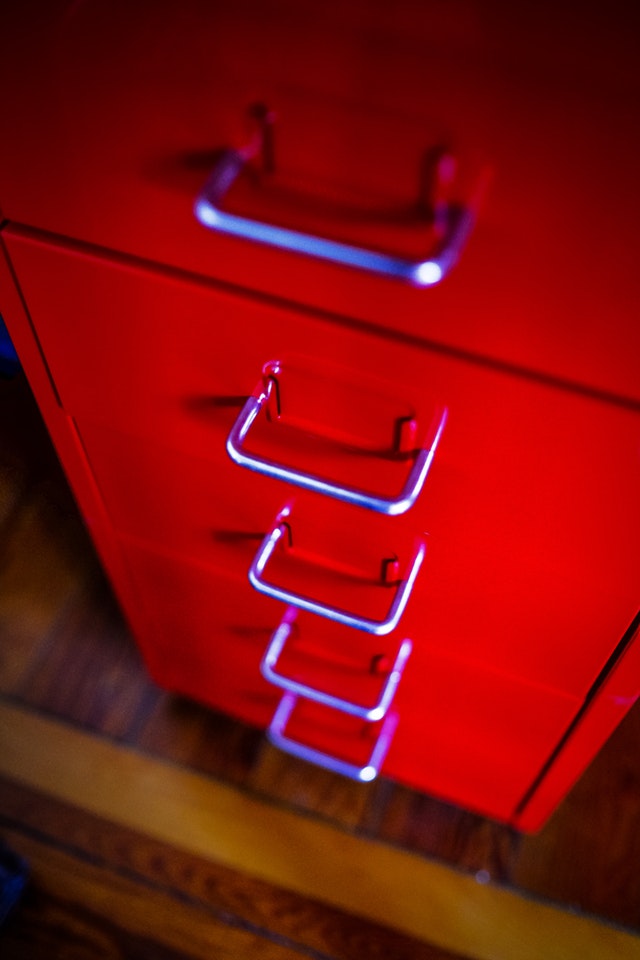
 Perhaps you plan to sell your home in the next few months or years. Keeping your garage organized can save time and ensure that you have storage space when you need it most.
Get Your Purge On!
Clear out the garage and separate items into categories: keep, trash, donate and recycle. If you get rid of 50 percent of your stuff, you’re doing great. The more you can get rid of up front, the less you have to organize! And if you haven’t used it in years, why would you need to keep it around?
Create Zones
Map out space with masking tape, starting with where your vehicles go. Mask out where you can put heavy-duty shelves for tools, sports equipment and other stored items. Also, you can maximize storage by building cabinets or shelving from floor to ceiling.
Buying clear bins in various sizes and interlocking shapes helps you stay organized. When you store like items together, it’s much easier to find them, especially if everything is properly labeled.
Think strategically. If your garage doubles as a workshop, include space for a workbench. If you bike every day, hang your wheels on the wall near the garage door. Additionally, remember to include garbage and recycling bins near the door for easy access.
Organizational Supplies
With the zones mapped, it’s time to get organized. For example, store shovels, rakes and brooms in a large trashcan. Meanwhile, sporting equipment such as bats, balls, skateboards and protective pads can go into larger bins, on shelves or inside lockers. Pegboards provide a versatile way to hang tools you use the most.
A cabinet that locks protects children and pets from hazardous materials like chemicals, paint and cleaning supplies. Meanwhile, constructing long open shelves of wood or metal gives you plenty of support for heavy storage bins, while a rolling cabinet lets you move craft supplies or gardening implements.
Storing Small Stuff
What can you do with screws, nails, hooks, nuts and myriad small items on a limited budget? Repurposed glass containers or mason jars let you see contents clearly while recycling. Use tin cans for screwdrivers and paint brushes.
Once your garage is neat and clean, you may find yourself spending more time there. You might even have enough room for a home office or craft corner. A well-planned organizational strategy helps you keep it that way.
If you are interested in listing your current property or buying a new property, be sure to contact your trusted real estate professional.
 Home builder confidence increased in April to an index reading of 63, which was one point higher than for March and the highest reading in six months. Analysts said that April’s reading revealed more about housing market conditions in the past six months than it was an indicator of future market conditions.
 If you’re staging your home to sell, you may find yourself with more stuff than space. Rather than selling possessions that you’d rather not part with, you can put your things into short-term storage until your home sells and you’re able to move.
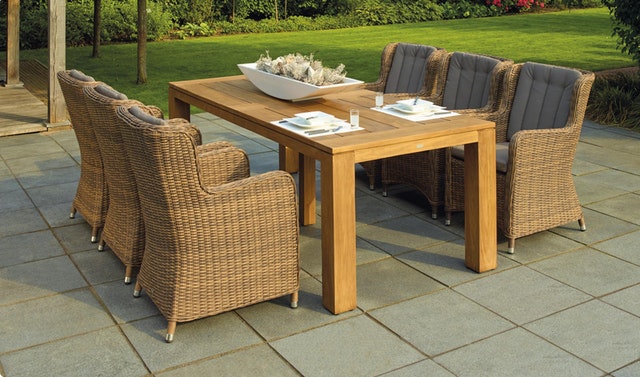 From small touches such as new lighting to larger efforts such as tiling the porch or stoop, creating curb appeal is one of the best investments you can make to resell your home fast.
 Last week’s economic readings included reports on inflation, mortgage rates, and first-time jobless claims. Monthly reporting on consumer sentiment was delayed.
 Fixing up your home to sell doesn’t have to be a budget-breaker. You can revitalize the look of your property with a little bit of paint in the right places.
 Members of the Federal Reserve’s Federal Open Market Committee voted to hold the target range of the federal funds rate to its current range of 2.25 to 2.50 percent. The minutes of the most recent Committee meeting cited softening domestic and global economic conditions as reason for not raising the target federal funds range.
 Real estate agents are constantly looking for new listings, which will attract potential buyers. We no longer need to limit our search for good listings to planet Earth because Mars is now for sale.
 The right home renovation strategy can increase property values and improve the comfort and utility of your space. However, your actions could have a harsh impact on our natural resources.