 If you are looking for a quick source of cash, you may have been told that you can tap into the equity in your home. If you have at least 20 percent equity in your home, you can borrow against that equity at a relatively low interest rate for a quick source of funding. You might be deciding whether to apply for a home equity loan or a home equity line of credit, which is usually shortened to HELOC.
Home Equity Loan
A home equity loan is a loan that you will receive based on the equity you have in your home. It is often termed a second mortgage, and it comes with a fixed interest rate. This could make it more predictable when compared to a HELOC, which has a variable interest rate. A home equity loan will also provide you with a lump sum, so it could be a great option if you know exactly how much money you need to borrow when you apply for the loan. In general, you should be able to borrow up to 80 or 90 percent of the equity in your home.
HELOC
A home equity line of credit is a type of credit that allows you to borrow against the equity in your house up to a certain limit. In general, a lender should allow you to borrow up to 80 percent of the equity you have in your home, but it may vary depending on your financial situation. The lender should give you a certain amount of time within which you are allowed to withdraw money against the equity in your home. This is usually several years. Then, there will be a repayment period, within which you need to pay back the interest and the principal. This period could last 20 years. With this option, you can withdraw money, make monthly payments on it, and then withdraw more money if you need it.
Decide Which Is Right For You
These are just two of the many options available, so consider reaching out to a professional who can help you decide which one is right for your needs.
 The major problem that the vast majority of buyers will run into – especially when purchasing their first home – has to do with a lease agreement that is still active with their apartment complex at the time of the purchase. If you locate the perfect home in February but your lease isn’t over until August, you can’t be expected to wait around.
 A great addition to many families is the beloved pet, but beyond the regular treats and pillows, there are plenty of ways to spoil your pet and let them know how much you love them. If you’re looking for some neat concepts for your favorite pooch, here are some unique ideas you may want to try out.
 If you dream of owning a house one day, you have probably realized that one of the biggest challenges is saving money for a down payment. You have already found your dream property, but then the lender asks you to put 20 percent down, which can be tens of thousands of dollars. Fortunately, there are alternative options available, and you may be able to purchase a home for no money down.
 Today’s homebuyers can have specific ideas and personal preferences that influence their decision on what attracts them to a particular property. While some prefer a fixer-upper, many desire a home that’s as close to turn-key as possible.
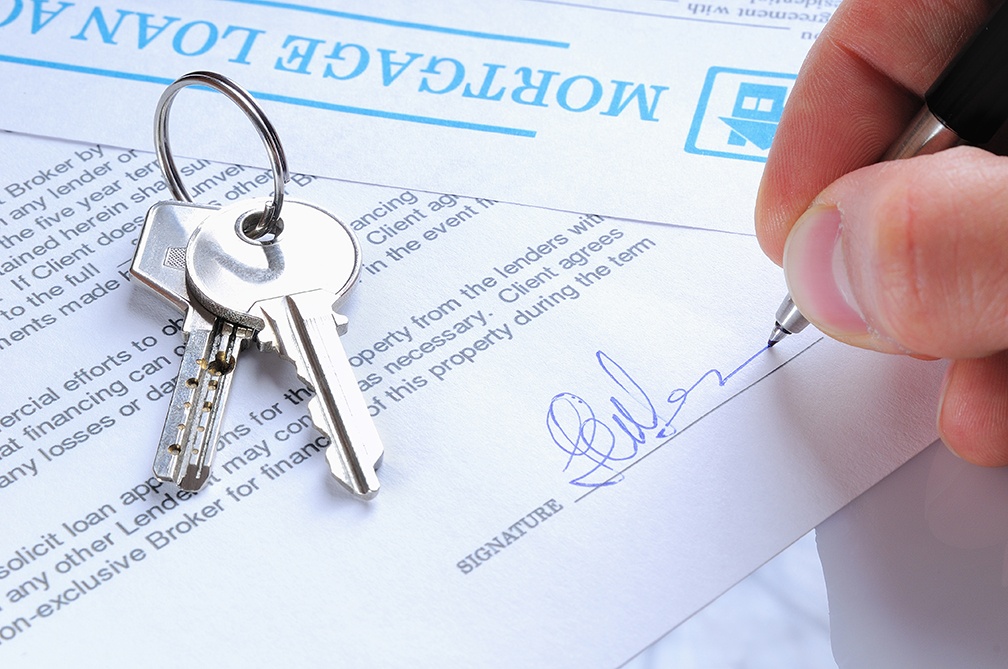 If you are a homeowner thinking about a significant home renovation, you have probably already considered your budget. As with any large project, you need to have the ability to pay the expected costs plus have a little bit extra set aside, just in case. The great news is that if you are a homeowner with a mortgage, you may qualify for cash-out refinancing, which can be a helpful way to leverage some of your home equity to cover renovation costs.
 Several generations ago, lenders required home buyers to have a 20 percent down payment in order to get a mortgage. While there were a few options out there for people who couldn’t save this substantial amount, the reality was that for the majority of people, the 20 percent down was a requirement.
 Last week’s economic reporting included readings on home prices, inflation, and pending home sales. Weekly readings on mortgage rates and jobless claims were also published.
 If you plan on buying a house in the near future, there are a few mortgage options available. One potential option is called a VA loan. This is a loan that has been backed by the Department of Veterans Affairs, and it could provide you with some added flexibility that you can use to purchase a house. Is a VA loan right for you? There are a few points to keep in mind.